
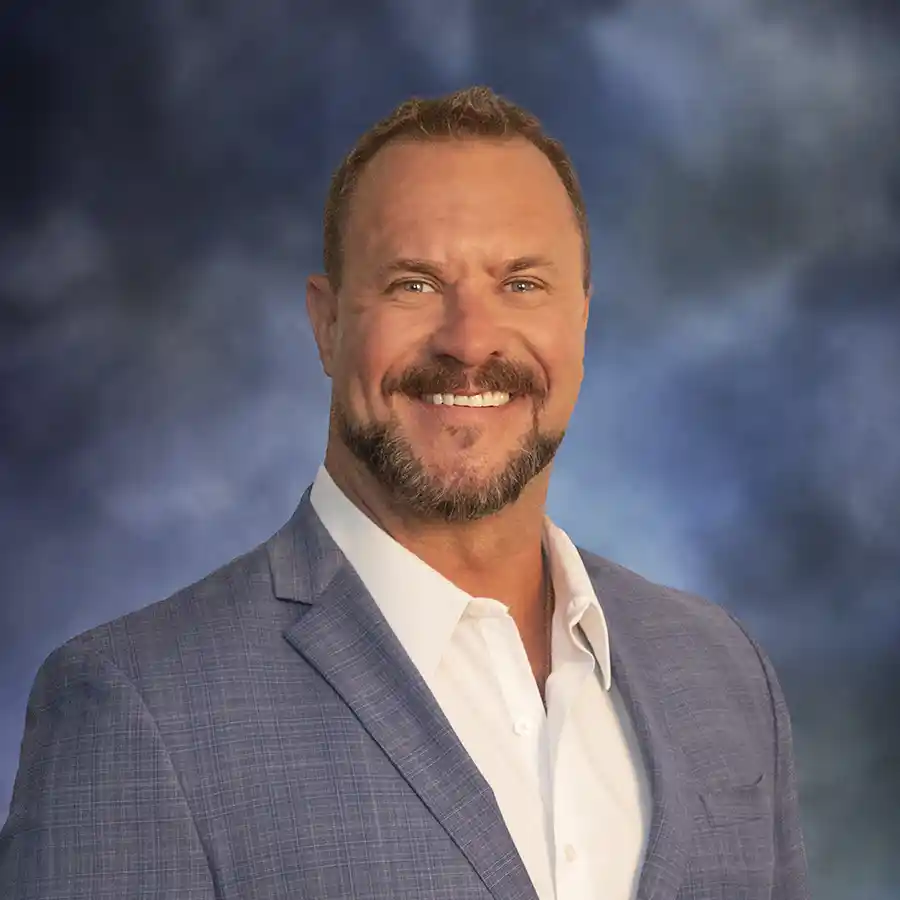
Michael Julian
Second Generation CEO
Executive protection for film and television productions is the practice of securing named talent, showrunners, and executives across a shooting schedule that is public, published, and physically exposed. Unlike a corporate principal who can vary routes and times, a production is locked to a call sheet, a location, and a window that anyone can learn. That predictability is the core risk.
Productions are also, by nature, magnets. A crew truck, a lighting rig, and a base camp on a residential street announce themselves. Fans, photographers, aggrieved neighbors, and the occasional fixated individual all know exactly where the talent will be and roughly when. Protection on a set is less about a visible show of force and more about controlling that exposure without slowing the day.
Los Angeles remains the center of gravity for this work even as volume shifts. FilmLA reported 19,694 on-location shoot days across the greater Los Angeles area in 2025, a 16.1 percent decline from 2024, with California's expanded film and television tax credit beginning to pull projects back in the fourth quarter (FilmLA, 2026). Fewer shoot days does not mean less risk per day. It means competition for locations is tighter, schedules are more compressed, and productions are working in more public, less controlled spaces to save money.
That last point matters. Of the 24 shootings the FBI designated as active shooter incidents in 2024, 12, or 50 percent, occurred in open spaces (FBI, 2025). An on-location shoot is an open space with a known address and a published start time.
Several conditions define the environment:
• Published schedules. Call sheets circulate widely. Locations leak. Fan accounts track productions in real time.
• Porous perimeters. A city street is not a lot. Sidewalks stay public. Neighbors have a right of access.
• Large, transient crews. Hundreds of people, many of them day hires, cycle through base camp with legitimate reasons to be near talent.
• Cameras everywhere. Anything a protection agent does can end up online within minutes.
• Fixed choke points. The walk from trailer to set, the lunch line, and the vehicle load-out are the moments of maximum exposure, and they repeat every day.
At MPS Security, we have learned that the productions that go smoothly are the ones where security was in the location scout, not the ones where security was called after an incident.
The work divides into four layers.
Advance and location survey. Before the first truck arrives, the team walks the location. Where does talent enter? What is the reverse route if the primary is blocked? Where will photographers naturally set up? Where is the nearest trauma center, and what is the drive time at 6 p.m. on a Friday?
Base camp and perimeter. Trailers, honeywagons, and craft services form a soft village that needs credentialing. Who checks badges? Who watches the unattended trailer door while talent is on set? Who manages the fan standing politely at the barricade, and who identifies the one who is not standing politely?
Close protection. The agent who moves with the principal from trailer to set, into the vehicle, and back to the hotel. On a production this has to be protection that stays out of frame, because a visible detail changes the tone of a set, alarms the crew, and photographs badly. Low-profile methodology is not a stylistic preference here. It is a working requirement.
Residence and transit. Talent is rarely at risk only during working hours. Hotel floors, rental homes, gym visits, and the airport runs on wrap day all sit inside the protective envelope.
Posture is a function of the threat picture, not the budget line. A supporting player on a procedural shooting on a closed stage is a different problem from a global music artist shooting a video on a public beach with an announced location.
The assessment considers:
1. The principal's public profile and current news cycle
2. Any known fixated individuals, prior stalking history, or active protective orders
3. Online threat chatter and doxxing exposure
4. The location's controllability and the local crime picture
5. Whether the shoot is announced, leaked, or genuinely quiet
6. Whether family members will be on or near set
That assessment drives the armed versus unarmed decision, the size of the detail, and whether the production needs a fixed post, a roving element, or both. It is a documented judgment, and it should be revisited when the picture changes, because it does. A story breaking mid-shoot can change a principal's exposure overnight.
The first mistake is treating security as crowd control. Set PAs and off-duty officers keeping a sidewalk clear are useful, but they are not protective intelligence and they are not close protection. They are watching the crowd. Nobody is watching the person who has already decided not to look like the crowd.
The second is late engagement. Security added at the last minute inherits a location that was chosen for its look, not its egress, and by then the choices are bad ones.
The third is a communications gap. When the protection team is not on the production's radio channel and does not have the call sheet, it is reacting to information that everyone else already had. Integration into the production's communications structure is not a courtesy. It is the mechanism.
Do productions really need executive protection, or is set security enough? They are different disciplines. Set security controls access to a physical space. Executive protection is oriented on a person, moves with them, and plans for the moments when they are outside the secured space, including transit, hotels, and off-hours. Most productions with named talent need both.
Will a protection detail disrupt the shoot? A well-run detail is nearly invisible to the crew. Agents work from the periphery, stay out of eyelines and frames, and coordinate with the first AD and the location manager so that protective movements happen inside the natural rhythm of the day.
How far in advance should a production engage a protection team? Ideally during location scouting, and no later than two to three weeks before principal photography. The advance work, credentialing plan, and route planning are the highest-value part of the engagement, and they cannot be compressed into a weekend.
What happens when photographers or fans locate the set? The team plans for it, because it is likely rather than possible. That means pre-identified alternate routes from trailer to set, a controlled vehicle load zone out of the primary sightline, and a rehearsed procedure for moving the principal when a crowd forms. Confrontation is the failure mode, not the plan.
Does this apply outside of Los Angeles? Yes. Productions shooting in Georgia, New Mexico, New York, or overseas face the same structural exposure with less local infrastructure and longer emergency response times. The advance work matters more, not less.
If you are prepping a shoot with named talent and security is not yet in the conversation, it should be. MPS Security & Protection plans and staffs low-profile protective details for film and television productions, from location advance through wrap. Contact our team to discuss a threat assessment and a protection plan for your schedule.
Michael D. Julian brings more than 30 years of experience in security and protection and leads MPS Security & Protection. He served as President of the California Association of Licensed Investigators (CALI) from 2005 to 2015 and has spent his career building investigative records that hold up under scrutiny. Connect with him on LinkedIn.

Since 1967, MPS Security & Protection has delivered professional protective security grounded in respect, coordination, and discretion. We’re a 3rd-generation firm with longstanding client relationships and worldwide connections.
“No two clients are the same, and neither are their needs. We protect what matters most, so you don't have to.” — Our protection is tailored to your risks, lifestyle, and operations.


Experts in Executive Protection and Uniformed Security.
Second Generation CEO
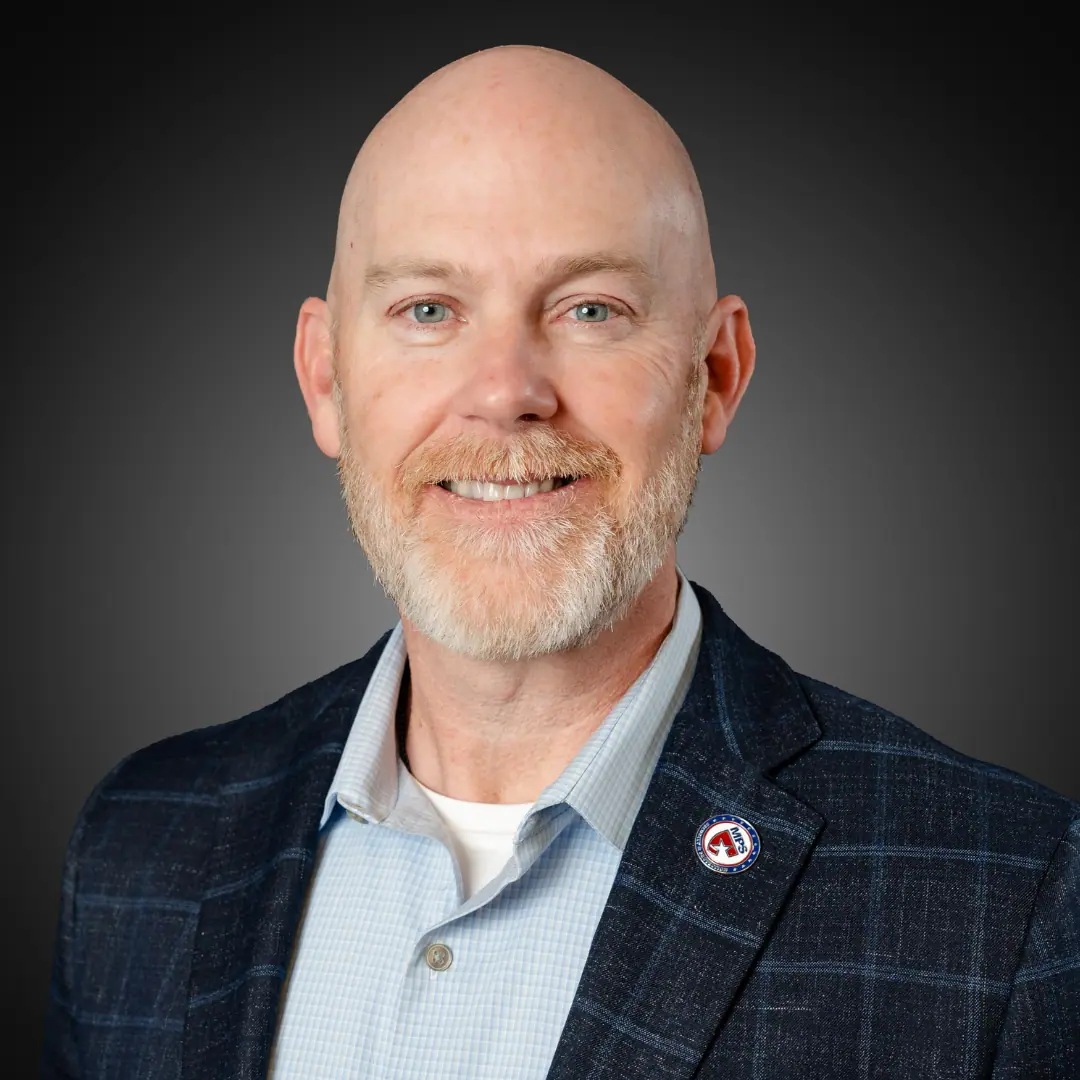
President
Executive Protection Manager
Uniform Security Manager
RST teams safeguard homes and families with 24/7 protection and low-profile coverage.
We’re always looking for professional Executive Protection Agents and Uniformed Security Officers. Apply through our portal.
Let’s discuss your needs and design a protection plan that fits your risk profile.
University presidents, provosts, and trustees are public figures on an open campus. Learn how executive protection teams plan coverage for the fall se… By: Michael D. Julian Campaign events put candidates in unscreened crowds on short notice. Learn how executive protection teams plan candidate security, rallies, town halls… By: Michael D. Julian Conferences and trade shows put executives in crowded, open, publicly scheduled venues. Learn how executive protection works at business events, from … By: Michael D. Julian Some terminations carry real risk. Learn how executive protection and security standby support high-risk employee separations, layoffs, and restructur… By: Michael D. Julian A hurricane is a security event, not just a weather event. Learn how executive protection teams plan evacuations, secure residences, and keep principa… By: Michael D. Julian Public events magnify executive risk. A 30-year EP veteran explains what corporate boards should require from executive protection at high-profile eve… By: Michael D. Julian Film and TV productions expose talent to fans, paparazzi, and fixed schedules in public places. Learn how executive protection teams secure sets and l… By: Michael D. Julian The greatest threat to a protected client is often medical, not criminal. Learn how professional executive protection teams build medical preparedness… By: Michael D. JulianRecent MPS Security Insights
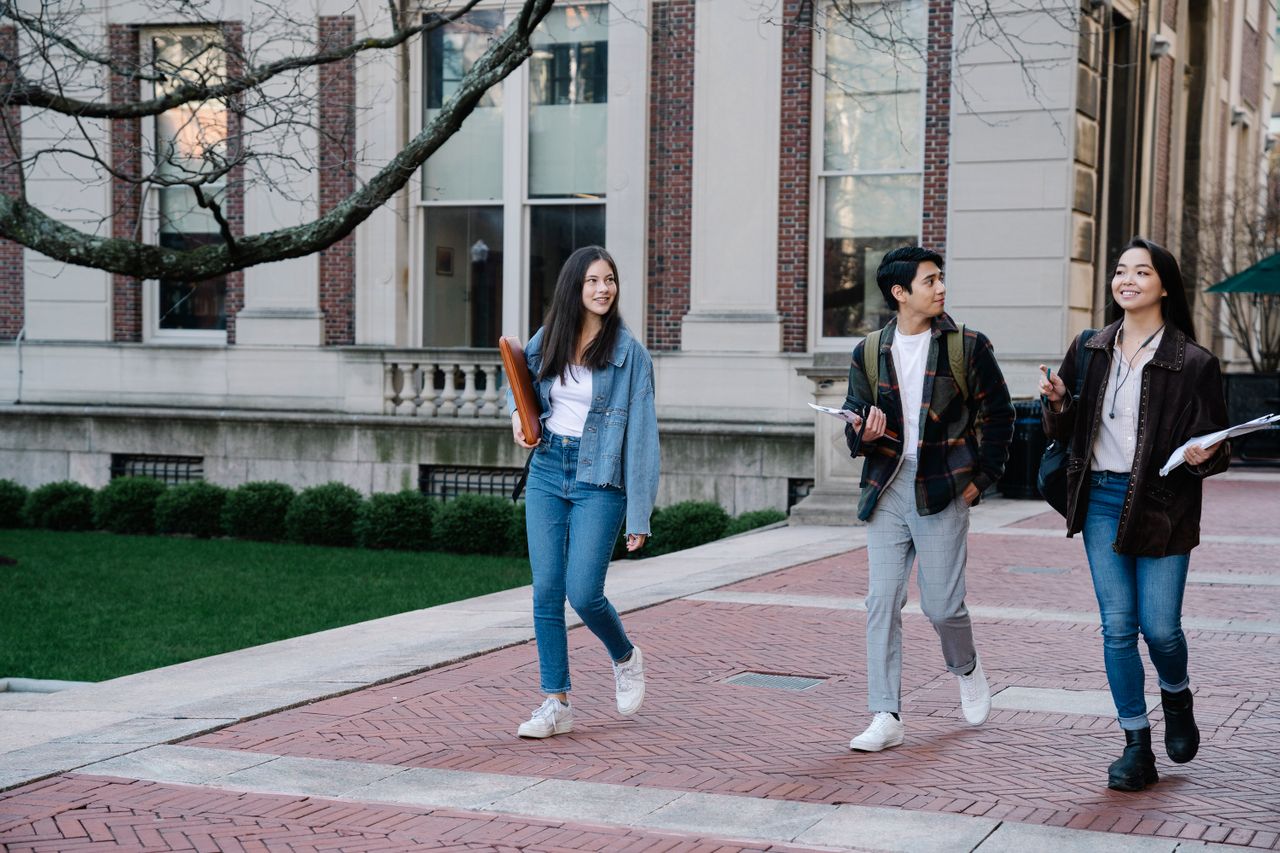
Executive Protection for University Presidents and Campus Leadership: Security Planning for the Fall Semester
Executive Protection for Political Candidates and Campaign Events: Security Planning for the 2026 Campaign Season
Executive Protection for Business Conferences and Trade Shows: Security for High-Exposure Events
Executive Protection for High-Risk Employee Terminations: How to Plan Security for a Difficult Departure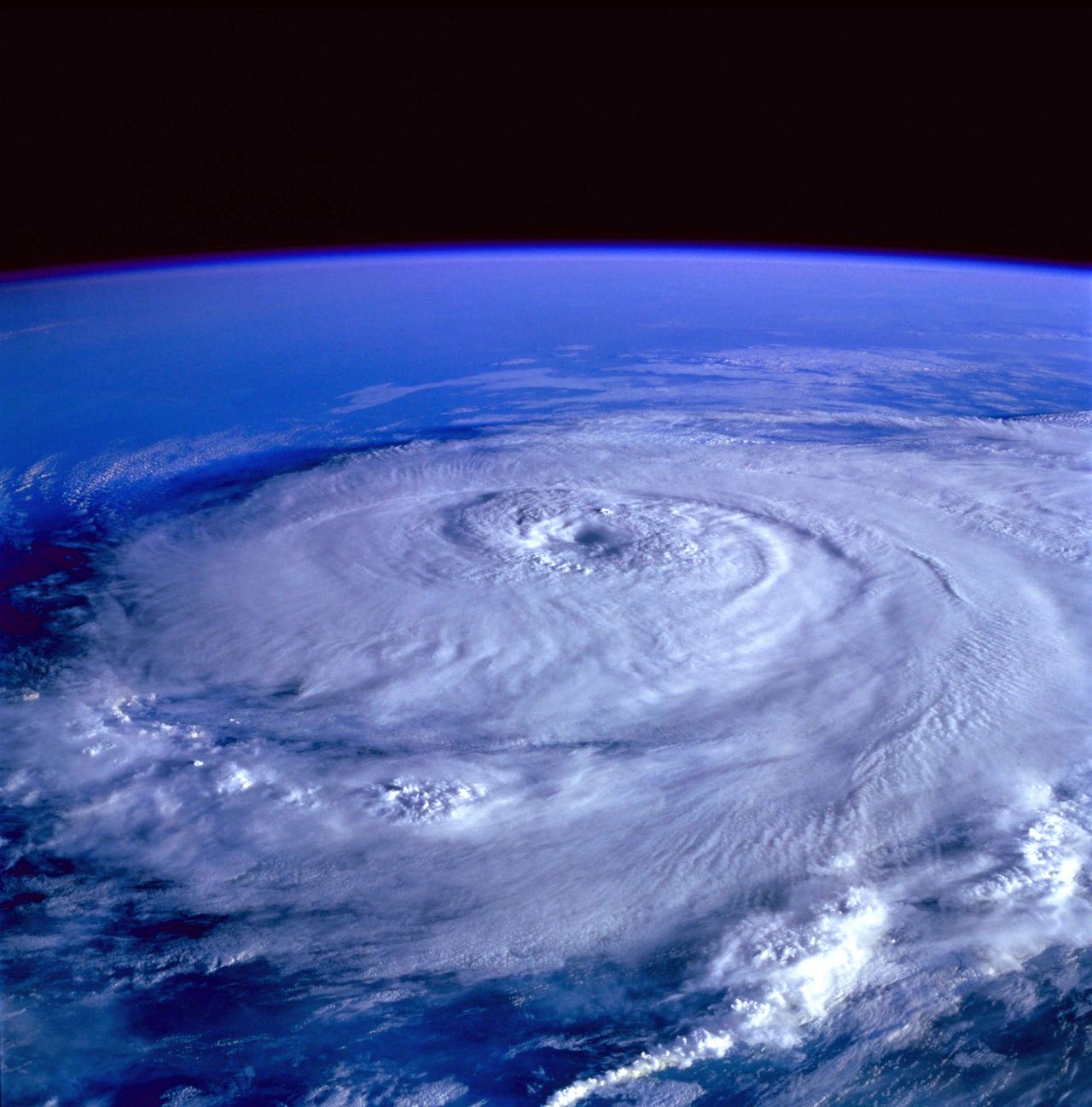
Executive Protection During Hurricane Season: How Security Teams Protect Principals and Families When a Storm Threatens
Executive Protection at High-Profile Public Events: What Corporate Boards Need to Know
Executive Protection on Film and Television Productions: How Studios Protect Talent on Location
Medical Preparedness in Executive Protection: Why Every Detail Needs an Emergency Action Plan