
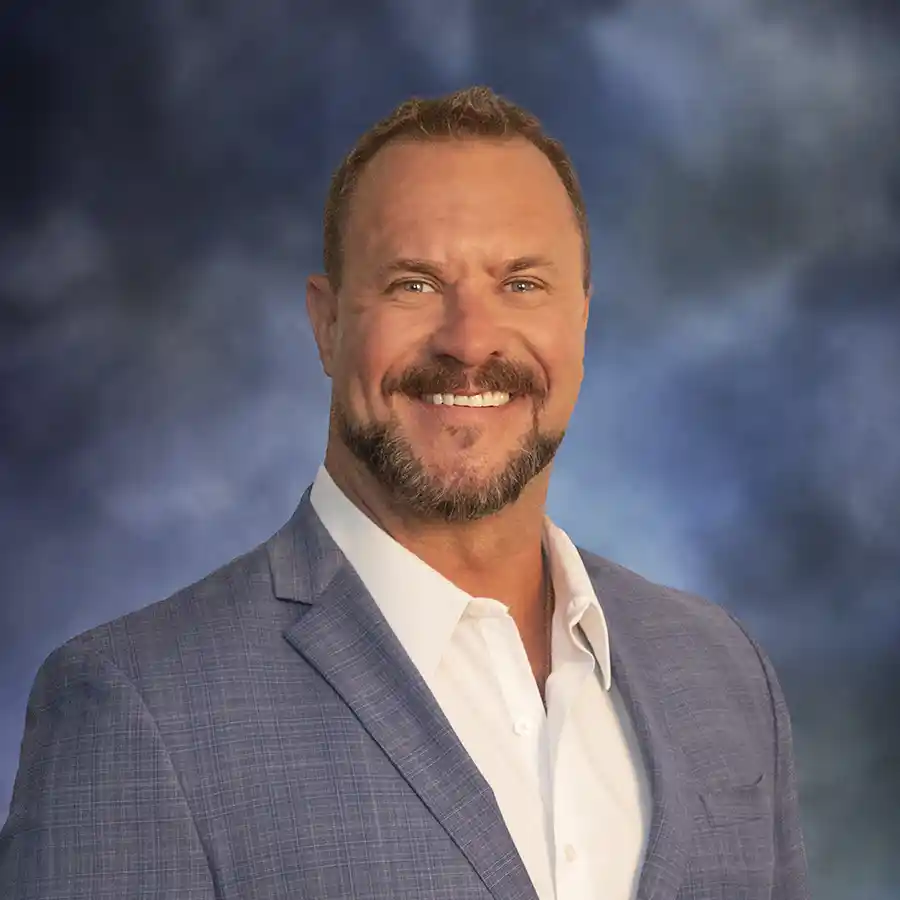
Michael Julian
Second Generation CEO
Secure transportation for executives is the disciplined planning of vehicles, routes, and trained drivers that protects a principal during the most exposed part of any schedule: the time spent moving between locations. A protected person is rarely more vulnerable than when they are predictable, stationary in traffic, or stepping in and out of a vehicle, and a serious protection program treats transit as a primary risk rather than an afterthought.
The numbers support that emphasis. An analysis of attacks on protected persons by the International Security Driver Association found that a substantial share of incidents occur while the principal is in or near a vehicle, and a multi-year study of attacks on corporate executives documented hundreds of incidents worldwide with a sharp rise in 2024 and 2025 (International Security Driver Association; Security Executive Council and Mercyhurst University, 2025). At MPS Security, we plan transportation with that reality in mind.
Movement creates exposure. A vehicle follows roads, roads create chokepoints, and chokepoints are where an attacker can predict a principal's location and timing. The moments of getting into and out of a car, often called the arrival and departure, concentrate that risk because the principal is briefly stationary, visible, and outside the protection of the vehicle.
Predictability compounds the problem. An executive who leaves the same garage at the same time and takes the same route every morning hands a hostile observer everything they need. Good secure transportation breaks that pattern deliberately, because the goal is to deny an adversary the certainty that any attack requires. This is part of the risk-mitigation framework behind every detail that MPS Security applies across its protective work.
Route planning is not about finding the fastest path. It is about understanding the environment between two points well enough to move through it safely. A professional advance considers primary and alternate routes, known chokepoints, areas with limited cell coverage, the locations of hospitals and police stations along the way, and the conditions that change by time of day.
The strongest programs build redundancy in. If the primary route is blocked by an accident, construction, or something more concerning, the team already knows the alternate and does not have to improvise under pressure. Advance work also includes the destination itself: where the vehicle will stop, how close it can get to a secure entrance, and how long the principal will be exposed between the door and the building.
For executives who travel frequently or whose movements draw public attention, low visibility is often the priority. Many principals are best served by low-profile vehicles and discreet movement that attract no attention at all, because the most effective protection is the kind no one notices.
A chauffeur delivers comfort. A security driver delivers safety, and the skills are not the same. A trained protective driver understands surveillance detection, recognizes when a vehicle is being followed, knows how to keep space around the car in traffic so it is never boxed in, and is trained to drive out of a developing threat rather than into it.
That training shows up in small habits that matter enormously in a crisis. A security driver positions the vehicle for a fast departure, keeps the engine running during brief stops in higher-risk settings, maintains a reactionary gap from the car ahead, and stays mentally rehearsed for what to do if something goes wrong. In our experience, these disciplines are invisible on an ordinary day and decisive on a bad one.
The right vehicle depends on the threat, the environment, and the principal's preferences. Some situations call for armored vehicles; many do not. A common mistake is assuming that visible hardening equals safety, when in many environments a discreet, well-maintained vehicle that does not advertise its occupant is the smarter choice. Reliability, communications equipment, and the driver's familiarity with the specific vehicle often matter more than armor.
Team size scales to risk as well. A single protective driver may be appropriate for a low-threat local schedule, while higher-risk movements may warrant a dedicated detail with an advance team and a follow vehicle. The decision is driven by an honest assessment of exposure, not by a fixed package. The same logic applies to whether coverage is armed or unarmed, a posture choice that depends on jurisdiction, venue, and the specific threat picture for each principal.
Vehicles follow predictable routes and create chokepoints where a principal's location and timing can be anticipated, and the act of entering or exiting a car leaves the protected person briefly stationary and exposed. Analyses of attacks on protected persons consistently show that a large share occur in or near a vehicle, which is why protection teams treat transit as a primary risk.
A regular driver focuses on comfort and getting from point to point. A security driver is trained in surveillance detection, evasive and defensive driving, vehicle positioning, and threat response, so the priority is the principal's safety rather than convenience. The skill sets overlap very little.
Not usually. Armor is appropriate for specific high-threat scenarios, but in many environments a discreet, reliable vehicle that draws no attention provides better practical protection. The right choice depends on the threat assessment rather than on a default assumption.
Ideally before the principal ever moves. Effective programs conduct advance work on routes and destinations ahead of time so the team has primary and alternate plans ready, rather than improvising once a problem appears. For recurring movements, plans are reviewed and varied to avoid predictable patterns.
Yes, and discretion is often the point. Low-profile vehicles, plain-clothes drivers, and unremarkable movement allow an executive to travel without signaling their presence, which removes the attention that an attacker needs. The best protection frequently looks like nothing at all.
The safest journey is the one where nothing happens because everything was anticipated. If your organization wants executive transportation built on real advance work, trained protective drivers, and route planning that fits your actual risk, MPS Security can help. Contact our team to assess your exposure and design coverage that matches it.
About the author
Michael D. Julian brings more than 30 years of experience in security, investigations, and executive protection. He served as President of the California Association of Licensed Investigators (CALI) from 2005 to 2015 and leads MPS Security and Protection's work safeguarding executives, families, and organizations. Connect with Michael on LinkedIn.

Since 1967, MPS Security & Protection has delivered professional protective security grounded in respect, coordination, and discretion. We’re a 3rd-generation firm with longstanding client relationships and worldwide connections.
“No two clients are the same, and neither are their needs. We protect what matters most, so you don't have to.” — Our protection is tailored to your risks, lifestyle, and operations.


Experts in Executive Protection and Uniformed Security.
Second Generation CEO
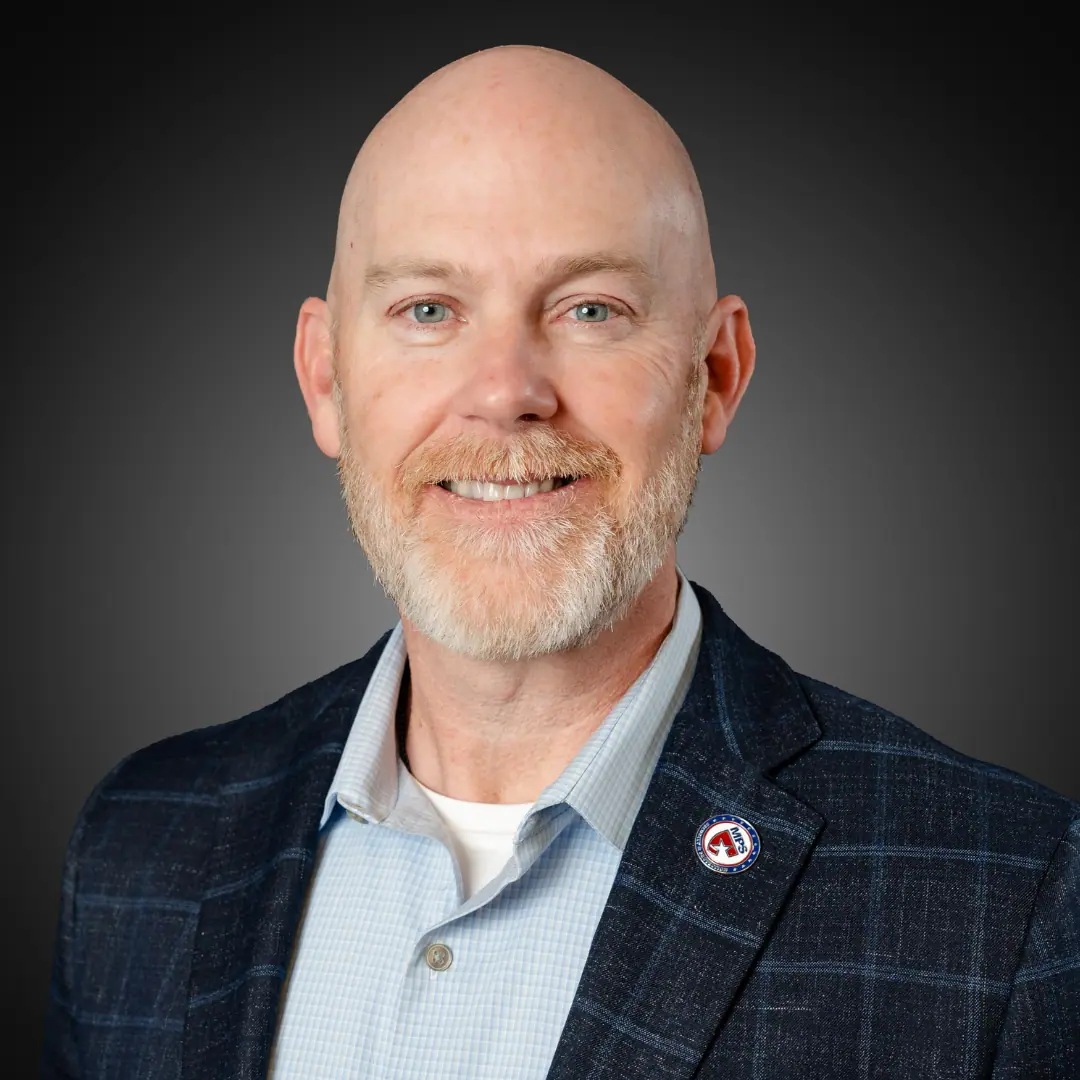
President
Executive Protection Manager
Uniform Security Manager
RST teams safeguard homes and families with 24/7 protection and low-profile coverage.
We’re always looking for professional Executive Protection Agents and Uniformed Security Officers. Apply through our portal.
Let’s discuss your needs and design a protection plan that fits your risk profile.
A hurricane is a security event, not just a weather event. Learn how executive protection teams plan evacuations, secure residences, and keep principa… By: Michael D. Julian Public events magnify executive risk. A 30-year EP veteran explains what corporate boards should require from executive protection at high-profile eve… By: Michael D. Julian Film and TV productions expose talent to fans, paparazzi, and fixed schedules in public places. Learn how executive protection teams secure sets and l… By: Michael D. Julian The greatest threat to a protected client is often medical, not criminal. Learn how professional executive protection teams build medical preparedness… By: Michael D. Julian Counter-surveillance is how executive protection teams spot people watching a principal before an attack. Here is how it works and why it matters in 2… By: Michael D. Julian The work that prevents an incident usually happens before the principal arrives. Here is what an executive protection advance team does to survey a ve… By: Michael D. Julian Ground transportation is the highest-risk phase of an executive's day. Here is how professional protection teams plan vehicles, routes, and trained dr… By: Michael D. Julian Protective intelligence is how executive protection teams find and assess threats before they materialize. Here is what it covers, why it matters, and… By: Michael D. JulianRecent MPS Security Insights
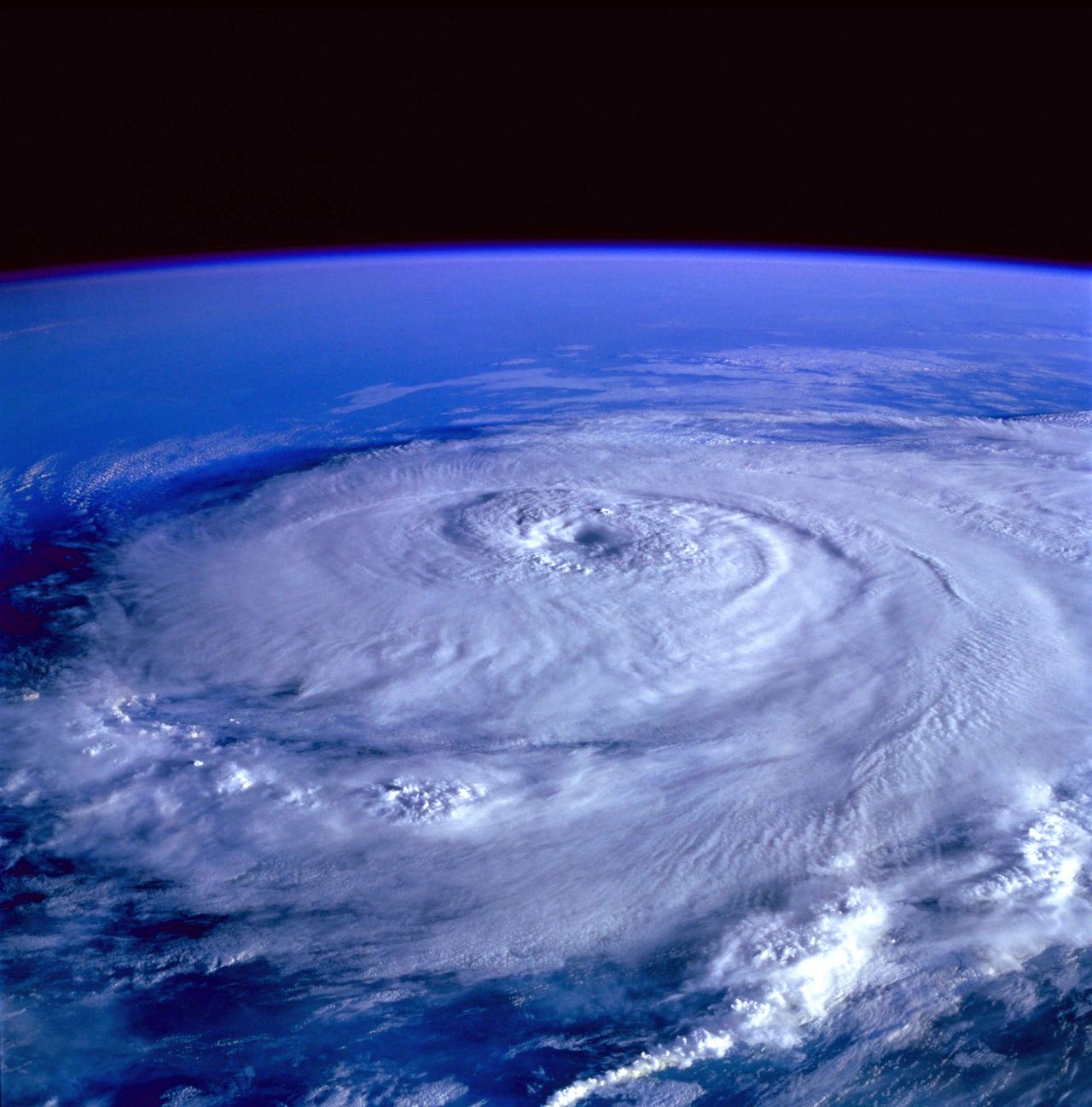
Executive Protection During Hurricane Season: How Security Teams Protect Principals and Families When a Storm Threatens
Executive Protection at High-Profile Public Events: What Corporate Boards Need to Know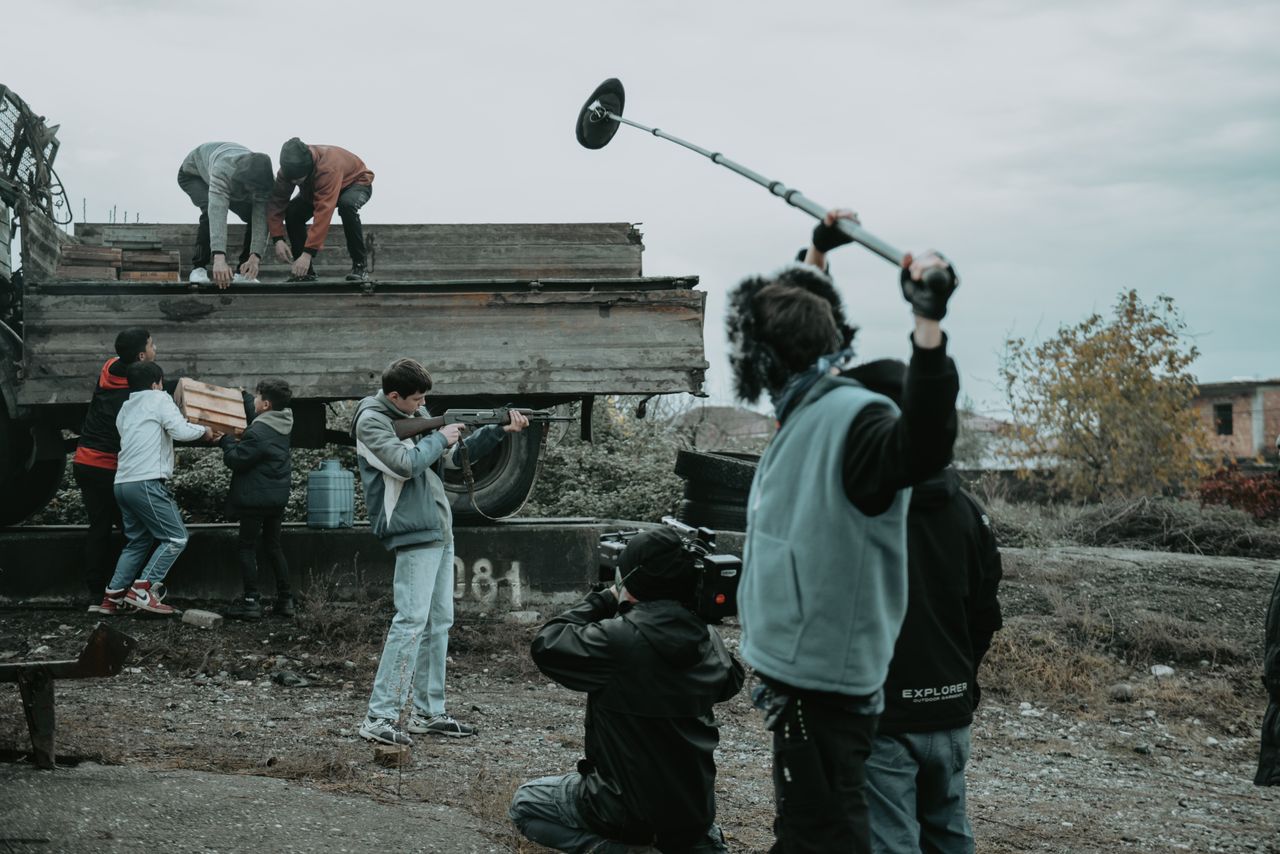
Executive Protection on Film and Television Productions: How Studios Protect Talent on Location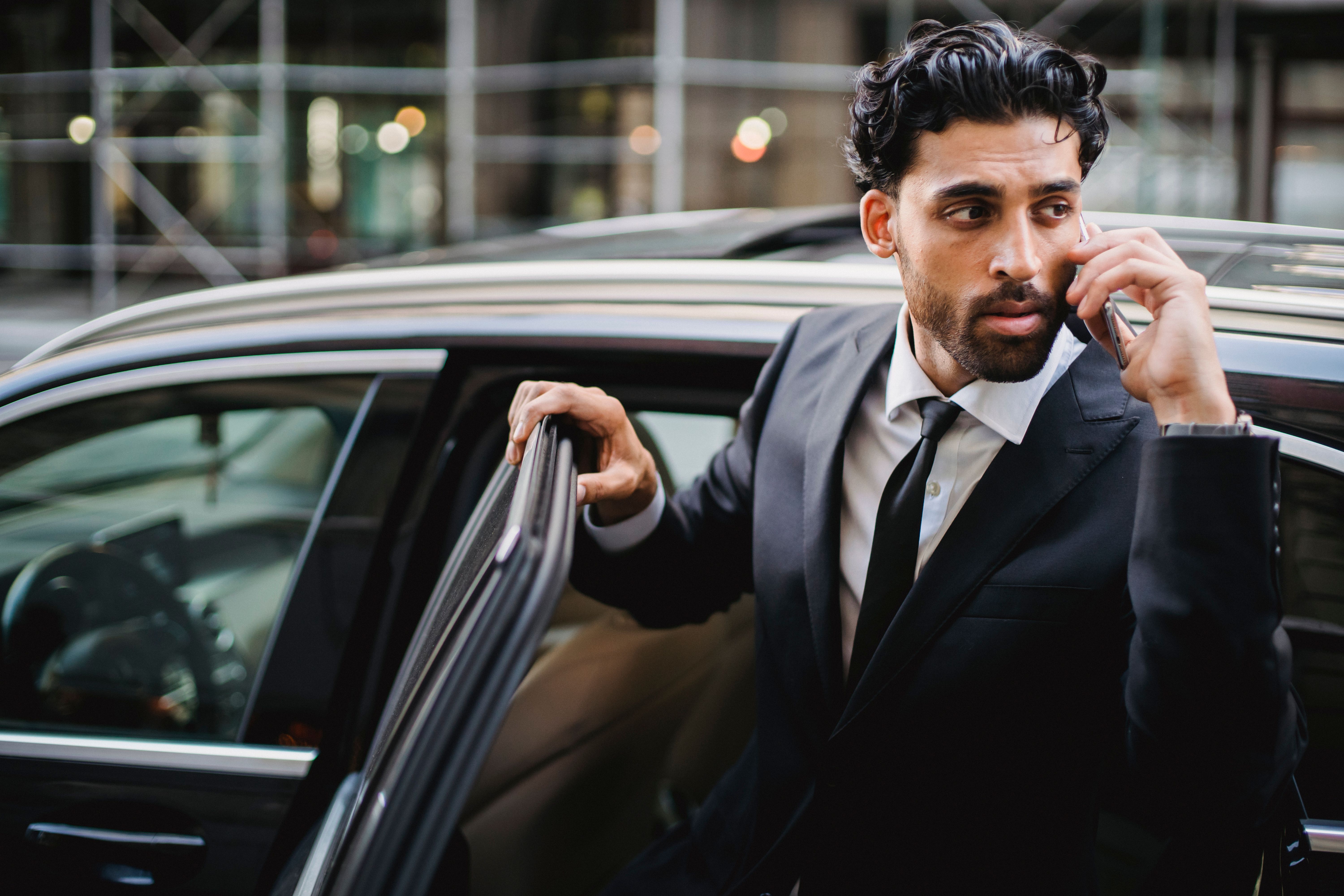
Medical Preparedness in Executive Protection: Why Every Detail Needs an Emergency Action Plan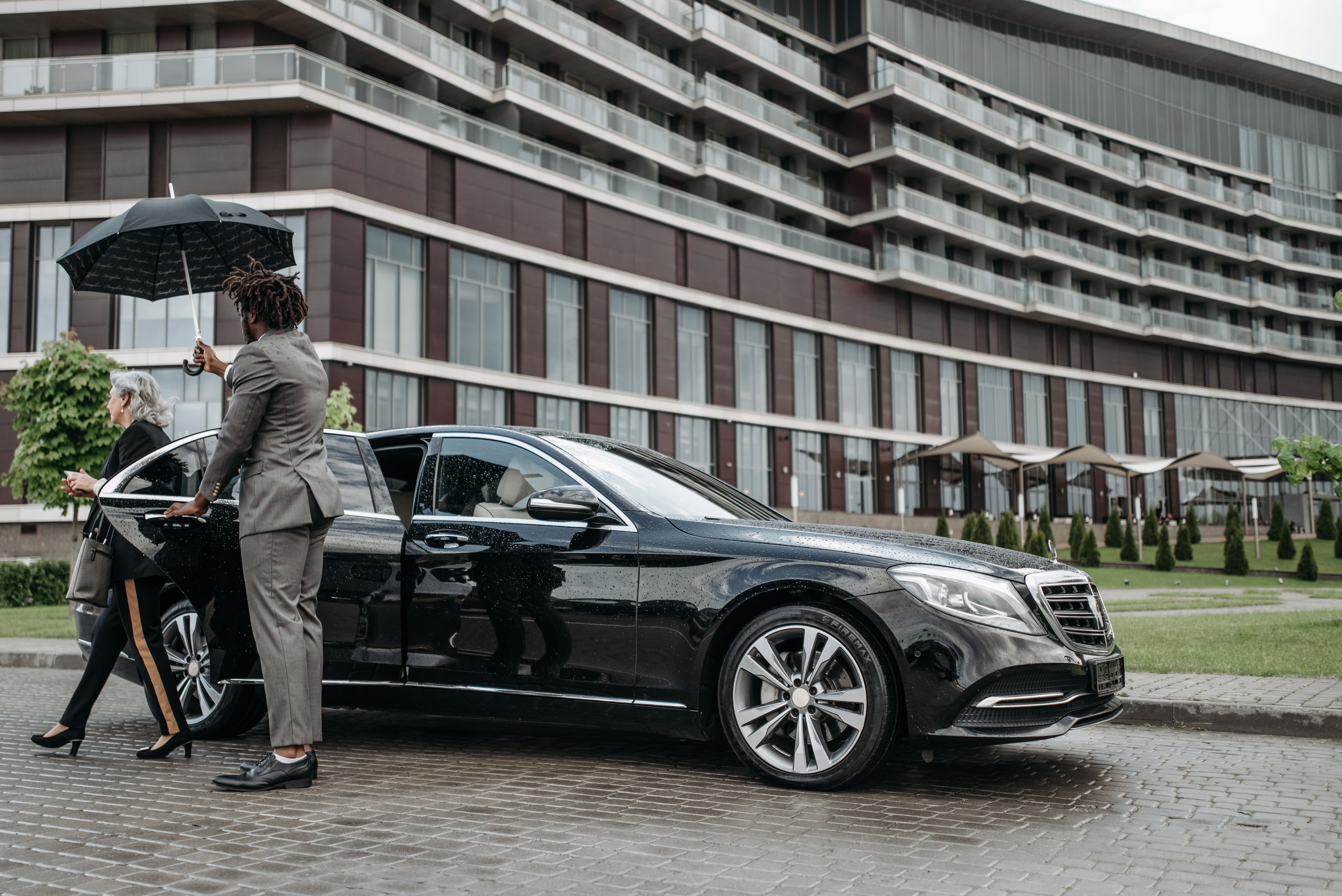
Counter-Surveillance In Executive Protection
What an Executive Protection Advance Team Actually Does: How Venues Are Surveyed Before the Principal Arrives
Secure Transportation for Executives: How Protection Teams Plan Vehicles, Routes, and Drivers
Protective Intelligence: How Executive Protection Teams Identify Threats Before They Reach the Principal