
Michael Julian
Second Generation CEO
The haunting echo of active shooter incidents has reverberated through the hallways of businesses and institutions across the United States, sharply focusing attention on the need for comprehensive safety measures in the workplace. California has enacted Labor Code Section 6401.9, SB553, calling employers to bolster their readiness against such harrowing events.
This feature article is tailored for California employers, HR professionals, and small business owners. It offers an in-depth examination of the implications and SB 553 Compliant">requirements of the new SB 553 mandates. We aim to inform and equip employees and employers with the necessary tools to foster a safer workplace environment in compliance with the latest legislative standards of SB 553 California.
Active shooter incidents have left an indelible mark on society, challenging our perceptions of safety and security. Statistics and headlines constantly remind us of the vulnerability of public spaces, including workplaces, to such threats. This unfortunate history underscores employers' need to understand their grave responsibility for safeguarding their employees, especially within California.
Over the last five years, California has witnessed an alarming trend in active shooter events, reflecting a broader national crisis. These incidents have steadily escalated not only in frequency but also in the severity of their impacts on communities and workplaces alike. Each event is a stark reminder of the unpredictable nature of such threats and the critical importance of preparedness and response strategies in the face of unimaginable circumstances. While precise numbers fluctuate with ongoing investigations and classifications, the trend underscores an urgent call for responsible action and awareness among all sectors of society, particularly within the realms of business and employment.
Business environments have not been immune to the tragic trend of active shooter events, with numerous incidents occurring in places where people work and conduct business. From small businesses to large corporate offices, retail stores, and hospitality venues, these settings have become sites of unforeseen workplace violence, profoundly affecting employees, customers, and the broader business community.
These workplace violence incidents serve as a harrowing reminder of the vulnerability of workspaces to such acts and the need for comprehensive workplace violence prevention law. These events have catalyzed a reassessment of workplace violence standards, emphasizing the importance of emergency preparedness, threat assessment capabilities, and the fostering of a proactive security culture within business entities. Ultimately, this leads to higher workplace violence standards and safer working environments for employees and employers.
SB 553 California was introduced to ensure businesses with more than ten employees can proactively prepare for potential active shooter situations. Under this SB 553 California Labor Code section, employers must include active shooter response training within their workplace safety plans by following the SB 553 template by July 1, 2024.
The purpose of SB 553 California is two-fold. First, it aims to increase workplace safety by fostering a better understanding of how individuals can respond effectively during an active shooter incident, potentially saving lives. Second, it helps employers fulfill their legal duty to provide a safe workplace for employees. Both aims are crucial in mitigating the impacts of an active shooter event and promoting a culture of safety in the workplace.
Compliance with SB 553 California is not just a legal obligation but also a moral one. Employers with over ten employees must take concrete steps to adhere to the new requirements.
This includes:
Documentation and record-keeping of a violent incident log play pivotal roles in demonstrating compliance with the SB553 template should the need arise. Employer responsibilities are incumbent upon maintaining thorough records of training sessions, employee acknowledgments, and updates to safety protocols.
The passage of SB553 California is also a notable development due to its proactive approach to addressing active shooter situations. This law recognizes that while prevention is ideal, preparedness and response strategies are equally necessary for minimizing harm during unpredictable events. By requiring employers to include active shooter training in their workplace safety plans, SB553 California creates a foundation for preparedness and response efforts. Additionally, the law encourages businesses to review and identify updates to their safety plans regularly, ensuring that they are equipped to handle any potential emergency.
To conform with SB553 California, training programs must be systematic and cater to the distinctive characteristics of each workplace. Employers should consider the following steps when developing their active shooter training:
Active shooter training programs should not be seen as one-off activities but rather as ongoing educational initiatives that evolve with changing circumstances and improvements in safety practices.
Active shooter training is a crucial component of workplace safety in our current society. By taking the necessary steps to comply with state laws and implementing comprehensive training programs, employers can create a safer environment for their employees and reduce the risk of a devastating active shooter event. Remember, preparedness is key in mitigating the impact of any emergency situation, and this includes being proactive about active shooter training. So, don't wait until it's too late - start implementing these strategies now to protect your workplace and your employees. Let's work together to make our workplaces safer for everyone.
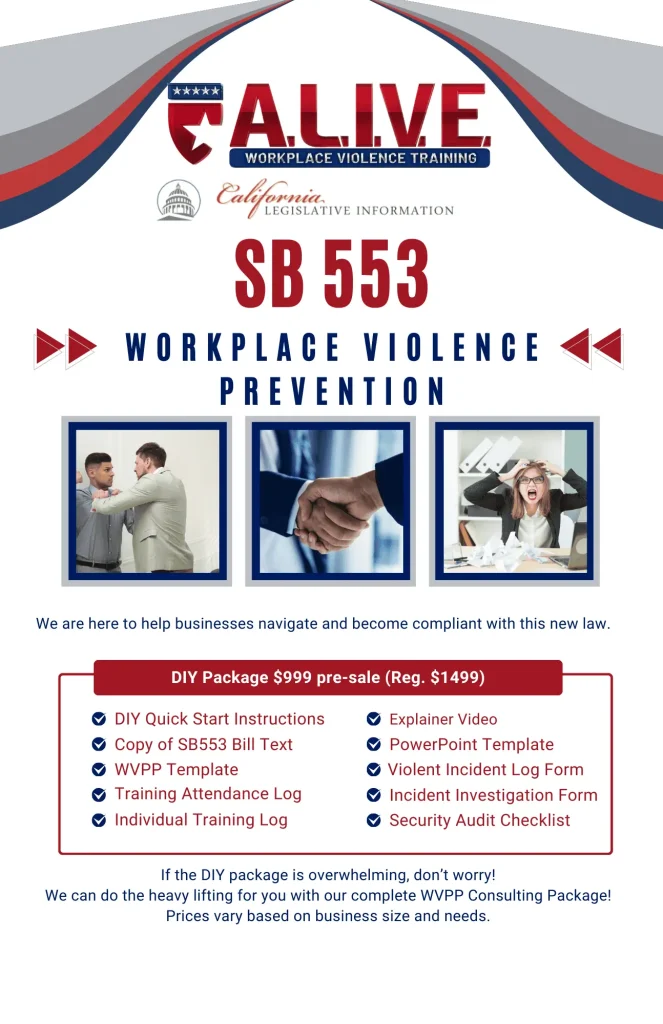
Identifying workplace violence and mitigating potential hazards is essential in preventing workplace violence, including active shooter incidents. Employers should be vigilant about the following:
Ignoring Signs of Employee Distress: Not addressing signs of emotional or psychological distress in employees can escalate to violent behavior. Regular check-ins and providing support resources can mitigate this risk.
Lack of Reporting Mechanisms: Start a confidential violence incident log where employees have a clear, anonymous way to report concerns of violence or threatening behavior without fear of retribution.
Inadequate Conflict Resolution Training: Without proper training, employees may not know how to defuse potentially violent situations before they escalate.
Neglecting Workplace Security Measures: Effective security measures, such as controlled access points, security cameras, and the presence of security personnel, are critical in deterring potential aggressors.
Failing to Establish a Clear Workplace Violence Policy: A well-communicated policy helps create a culture of safety and respect, providing clear protocols for preventing and responding to violence.
By proactively identifying and addressing these hazards, employers can significantly enhance workplace safety and prevent workplace violence incidents, including the direst scenarios involving active shooters.
With the new SB 553 California compliance coming into effect, employers and HR professionals must confront the complexities of active shooter dangers. It's not merely about compliance-it's about community, foresight, and the steadfast pursuit of protecting employees and saving lives.
Engaging with legal counsel or safety experts is advisable for detailed guidance on navigating the specifics of the SB553 template and ensuring your business complies with the California senate bill and other labor laws in California. They can provide personalized advice and solutions to integrate 553 California requirements seamlessly into your workforce's fabric, adding resilience and responsiveness to your organization's ethos.
Remember, when it comes to workplace safety, especially avoiding workplace violence hazards, it is not about reacting to threats but about being ahead of them. Safety must come first-it is a good business practice and our moral imperative.
A.L.I.V.E. Active Shooter Training specializes in consultation and has created a DIY SB 553 package, which includes everything you will need to work towards becoming compliant with this new law. Watch the video above for more information regarding the upcoming SB 553 compliance and our custom DIY templates that will allow you to fill in the blanks as you work towards becoming compliant with the new law.
For additional resources and guidance, we encourage you to visit ActiveShooterSurvivalTraining.com for advanced in-person and online training modules, a certified active shooter survival instructor course, and our best-selling book "10 Minutes To Live" by founder Michael Julian.
This blog originally appeared on ActiveShooterSurvialTraining.com
Michael D. Julian is President of MPS Security & Protection and a 30-plus-year veteran of the security and investigations industry. He served as President of the California Association of Licensed Investigators (CALI) from 2005 to 2015 and has led executive protection, residential security, and corporate investigations engagements for Fortune 500 principals, high-net-worth families, and public figures across the United States. Connect with Michael on LinkedIn.

Since 1967, MPS Security & Protection has delivered professional protective security grounded in respect, coordination, and discretion. We’re a 3rd-generation firm with longstanding client relationships and worldwide connections.
“No two clients are the same, and neither are their needs. We protect what matters most, so you don't have to.” — Our protection is tailored to your risks, lifestyle, and operations.


Experts in Executive Protection and Uniformed Security.
Second Generation CEO
President
Executive Protection Manager
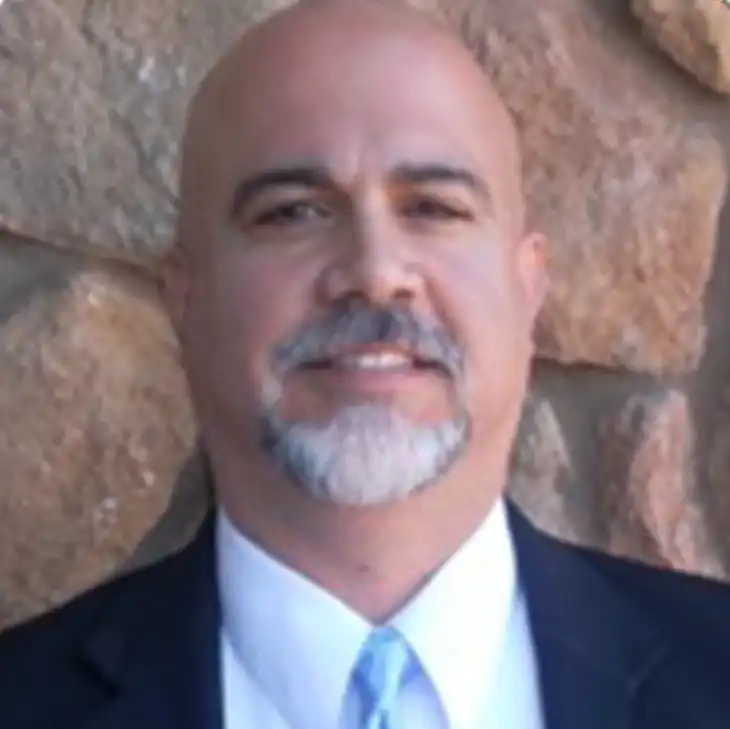
Uniform Security Manager
RST teams safeguard homes and families with 24/7 protection and low-profile coverage.
We’re always looking for professional Executive Protection Agents and Uniformed Security Officers. Apply through our portal.
Let’s discuss your needs and design a protection plan that fits your risk profile.
Executive protection quotes vary widely for reasons that are rarely explained. Here are the six factors that actually drive the cost of a protection p… By: Michael D. Julian University presidents, provosts, and trustees are public figures on an open campus. Learn how executive protection teams plan coverage for the fall se… By: Michael D. Julian Campaign events put candidates in unscreened crowds on short notice. Learn how executive protection teams plan candidate security, rallies, town halls… By: Michael D. Julian Conferences and trade shows put executives in crowded, open, publicly scheduled venues. Learn how executive protection works at business events, from … By: Michael D. Julian Some terminations carry real risk. Learn how executive protection and security standby support high-risk employee separations, layoffs, and restructur… By: Michael D. Julian A hurricane is a security event, not just a weather event. Learn how executive protection teams plan evacuations, secure residences, and keep principa… By: Michael D. Julian Public events magnify executive risk. A 30-year EP veteran explains what corporate boards should require from executive protection at high-profile eve… By: Michael D. Julian Film and TV productions expose talent to fans, paparazzi, and fixed schedules in public places. Learn how executive protection teams secure sets and l… By: Michael D. JulianRecent MPS Security Insights

What Does Executive Protection Cost, and What Actually Drives the Price?
Executive Protection for University Presidents and Campus Leadership: Security Planning for the Fall Semester
Executive Protection for Political Candidates and Campaign Events: Security Planning for the 2026 Campaign Season
Executive Protection for Business Conferences and Trade Shows: Security for High-Exposure Events
Executive Protection for High-Risk Employee Terminations: How to Plan Security for a Difficult Departure
Executive Protection During Hurricane Season: How Security Teams Protect Principals and Families When a Storm Threatens
Executive Protection at High-Profile Public Events: What Corporate Boards Need to Know
Executive Protection on Film and Television Productions: How Studios Protect Talent on Location