
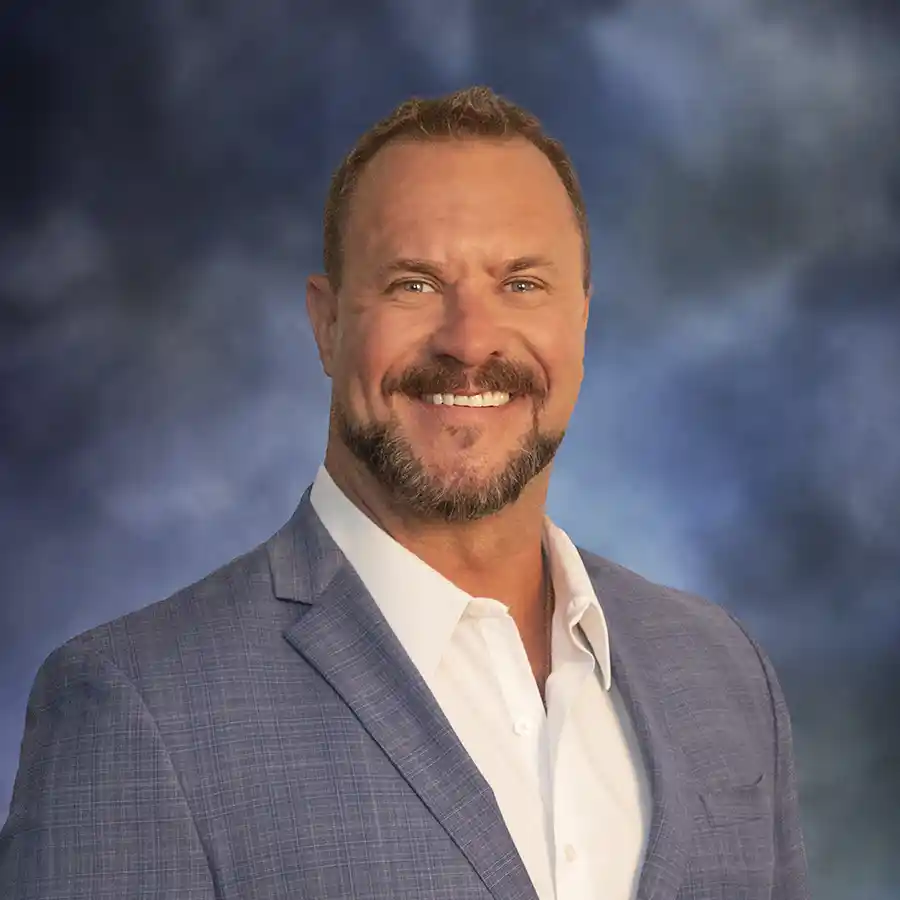
Michael Julian
Second Generation CEO
Executive protection for political candidates is protective coverage designed around a principal whose job requires being accessible, visible, and physically close to strangers, often several times a day in locations announced only hours in advance. It differs from corporate protection in one decisive way: the principal cannot be made less available, so the security plan has to absorb the exposure instead of removing it.
That constraint shapes everything. A CEO can decline a public appearance. A candidate who declines public appearances is not running a campaign. At MPS Security, we plan campaign work backward from that fact.
The threat environment for people in public office and people seeking it has grown measurably worse. The United States Capitol Police Threat Assessment Section investigated 14,938 concerning statements, behaviors, and communications directed at Members of Congress, their families, staff, and the Capitol Complex in 2025, up from 9,474 cases the prior year (United States Capitol Police, 2026). That is a federal figure for federal officials, but it reflects a climate that reaches down to state legislative races, county commissions, school boards, and mayoral campaigns.
Local and state candidates almost never have a protective detail assigned to them. There is no agency that shows up. Anyone below the federal protectee tier who wants coverage arranges and pays for it privately, which means the decision usually lands on a campaign manager with a fixed budget and a calendar full of events.
Several features of campaign work would be considered unacceptable risk in any other protective assignment:
• Short-notice venue changes. Locations are added and moved the same week, sometimes the same day, which compresses the time available for an advance.
• Unscreened, self-selected crowds. Rallies and town halls attract supporters, opponents, and people with a personal grievance, and no one checks a list at the door.
• Published locations. The campaign itself advertises where the principal will be and when, because attendance is the point.
• Deliberate physical contact. Handshakes, selfies, and rope lines put strangers within arm's reach by design.
• Residential canvassing. Door-to-door movement puts the candidate on private property with no control over what is behind the door.
• Family exposure. Spouses and children appear at events and are frequently named online.
An advance survey is what makes this manageable. Before an event, a protective team walks the venue for entry and exit points, stage sightlines, crowd flow, medical access, the nearest trauma center, and the route in and out. When the venue changes on Thursday for a Saturday event, that work compresses but does not disappear.
This is the central tension in campaign work, and it is a real one. A candidate flanked by visible security can look insulated from the voters they are asking to trust them. The answer is usually a layered posture: a small number of people close to the principal who read as staff, supported by coverage that manages the room rather than the person.
That is protection that stays out of the frame. A low-profile posture is not about hiding capability. It is about placing capability where it works without turning every photograph into an image of a candidate behind a wall of agents. Uniformed presence still has a role, particularly at fixed entrances and parking areas where deterrence is the goal.
Staffing decisions follow the same logic, including the decision between armed and unarmed coverage. That choice depends on the venue, applicable state and local law, the threat picture for the specific principal, and whether the location itself prohibits firearms, which many schools, government buildings, and private venues do.
Campaigns rarely have the budget for continuous coverage, so the question is usually where limited resources buy the most reduction in risk. In our experience the sequence looks like this:
1. Threat intake. A simple, monitored channel where staff and volunteers report concerning contacts, messages, and repeat visitors, and where those reports are actually recorded rather than passed along verbally.
2. Event-based coverage. Protection at the highest-exposure events, meaning large rallies, contested town halls, and any appearance that has drawn organized opposition.
3. Advance work on the schedule. Even a light advance on each new venue changes outcomes.
4. Movement and transportation. Arrival and departure are consistently the most vulnerable moments, because they are predictable and take place in the open.
5. Residence and family planning. A basic review of the candidate's home, and guidance for family members whose names and schools may be public.
Do state and local candidates get government-provided protection? Generally no. Protective details from federal or state agencies are limited to specific offices and protectees, so candidates for local and state races typically arrange private coverage themselves if they want it.
Will having security make a candidate look unapproachable? It does not have to. A low-profile posture keeps a small number of people close to the principal while the rest of the team manages the room, so the candidate can still shake hands and take photographs without a visible barrier.
How far in advance does a protective team need to know about an event? More notice is always better, but campaign work is built for short timelines. Even a same-day advance covering entrances, exits, stage access, medical routing, and crowd flow meaningfully improves the plan.
What is the most vulnerable part of a campaign day? Arrivals and departures. They happen in the open, they are predictable, and the principal is moving between controlled and uncontrolled space, which is why protective planning gives them disproportionate attention.
Should a campaign worry about online threats or only physical ones? Both, because they are connected. Online statements are often the first documented indicator of someone escalating, and they are also how a candidate's home address, routine, and family details become public.
Can protection be arranged for a single event rather than the whole campaign? Yes. Many campaigns start with event-based coverage for their highest-exposure appearances and expand only if the threat picture warrants it.
If you are managing a campaign and your calendar includes public events, canvassing, and short-notice venue changes, the time to plan protection is before an incident forces the conversation. To discuss coverage built around your schedule and your budget, contact MPS Security and Protection.
Michael D. Julian brings more than 30 years of experience in security, protection, and investigations. He served as President of the California Association of Licensed Investigators (CALI) from 2005 to 2015 and has spent his career helping organizations manage risk and protect people in high-stakes situations. Connect with him on LinkedIn.

Since 1967, MPS Security & Protection has delivered professional protective security grounded in respect, coordination, and discretion. We’re a 3rd-generation firm with longstanding client relationships and worldwide connections.
“No two clients are the same, and neither are their needs. We protect what matters most, so you don't have to.” — Our protection is tailored to your risks, lifestyle, and operations.


Experts in Executive Protection and Uniformed Security.
Second Generation CEO
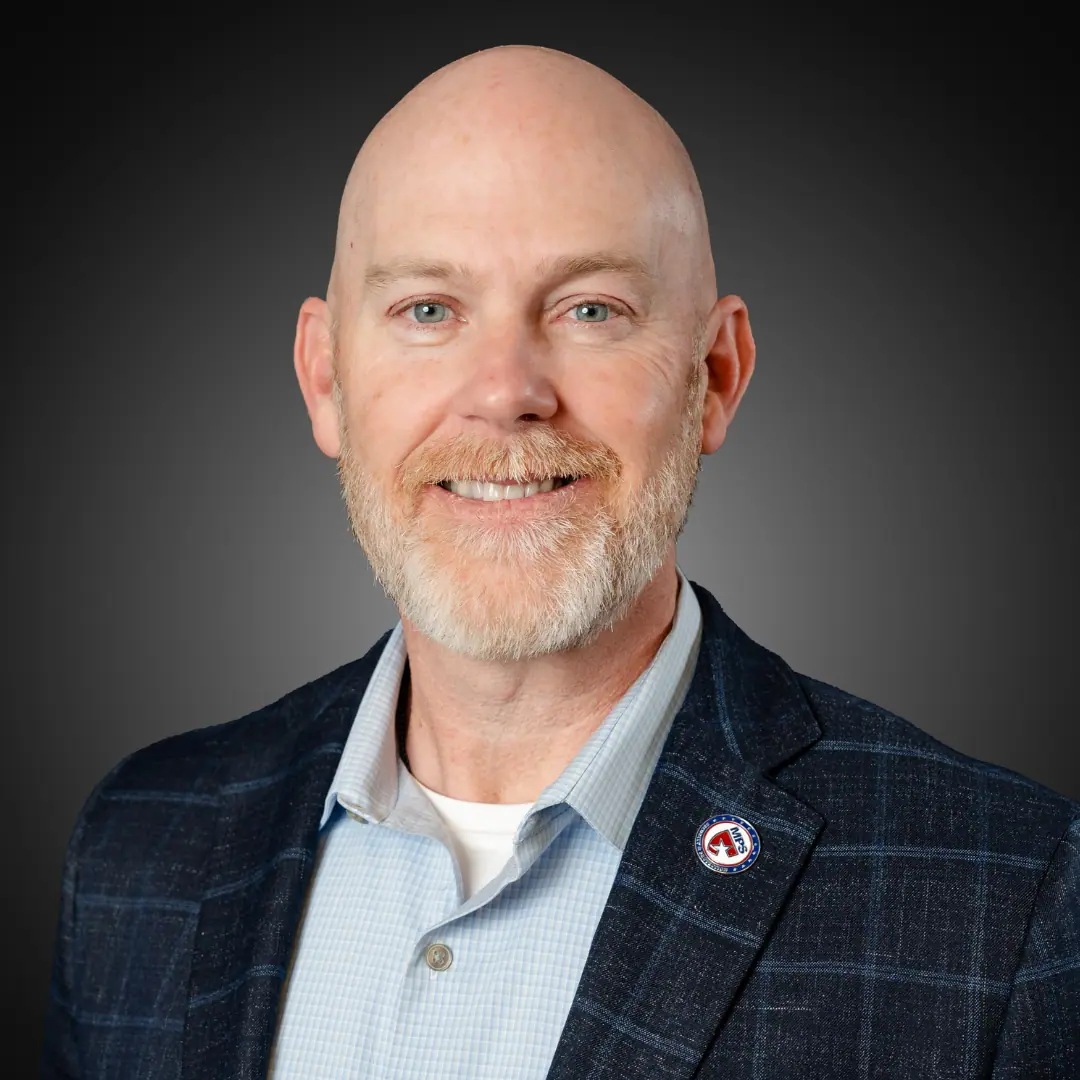
President
Executive Protection Manager
Uniform Security Manager
RST teams safeguard homes and families with 24/7 protection and low-profile coverage.
We’re always looking for professional Executive Protection Agents and Uniformed Security Officers. Apply through our portal.
Let’s discuss your needs and design a protection plan that fits your risk profile.
Uniformed security guards and executive protection solve different problems. A Southern California guide to choosing, or combining, the right service. By: Michael D. Julian Retail theft and violence are both rising while seasonal hiring falls. Here is how Southern California retailers should scope holiday security coverag… By: Michael D. Julian A California workplace violence restraining order is a court order an employer can seek to protect employees from a credible threat. Here is what it c… By: Michael D. Julian California employers must maintain a written workplace violence prevention plan, a violent incident log, and annual training under Labor Code 6401.9. … By: Michael D. Julian Executive protection quotes vary widely for reasons that are rarely explained. Here are the six factors that actually drive the cost of a protection p… By: Michael D. Julian University presidents, provosts, and trustees are public figures on an open campus. Learn how executive protection teams plan coverage for the fall se… By: Michael D. Julian Campaign events put candidates in unscreened crowds on short notice. Learn how executive protection teams plan candidate security, rallies, town halls… By: Michael D. Julian Conferences and trade shows put executives in crowded, open, publicly scheduled venues. Learn how executive protection works at business events, from … By: Michael D. JulianRecent MPS Security Insights
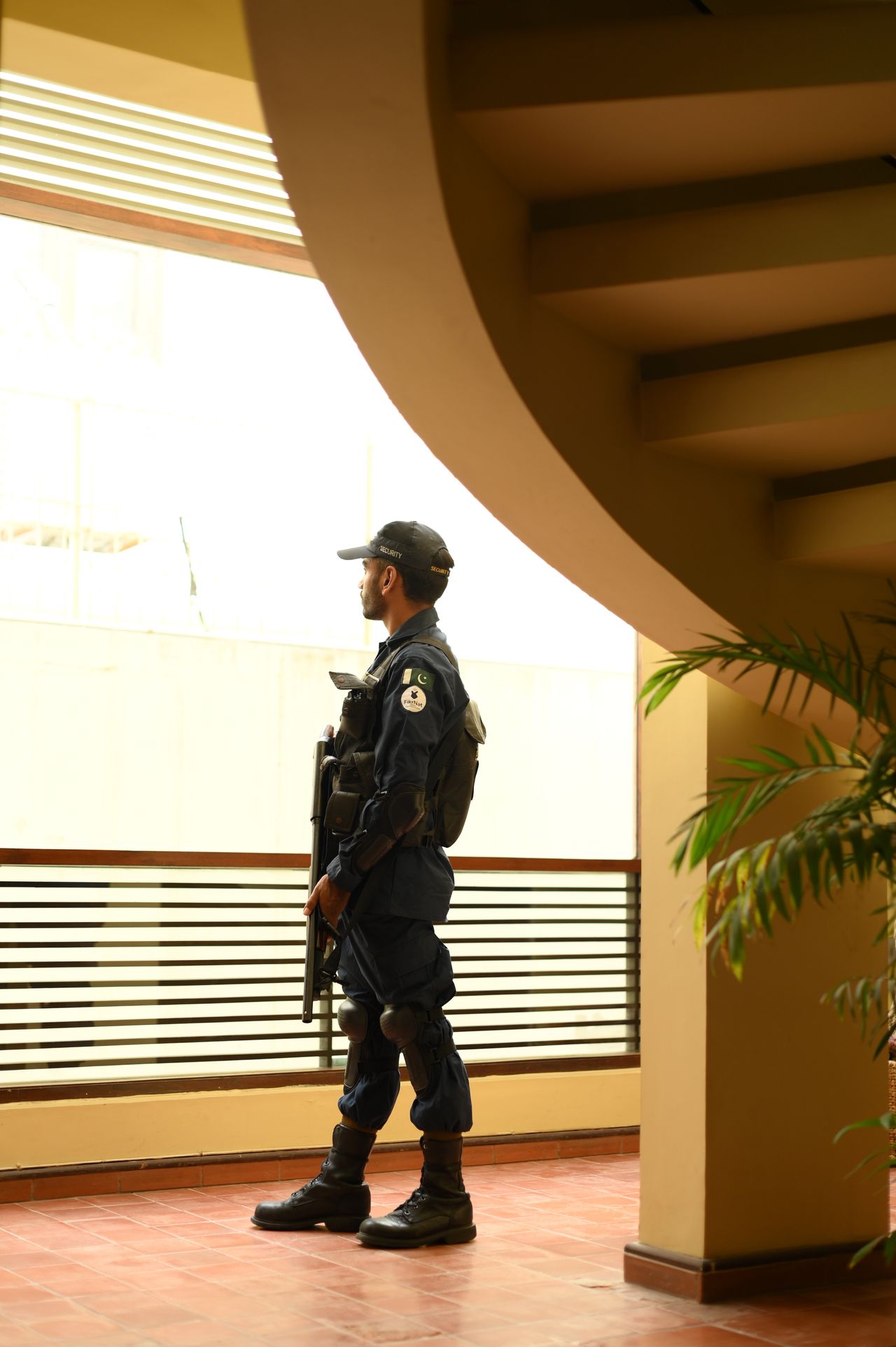
Uniformed Security Guards vs. Executive Protection: Choosing the Right Service for Your Southern California Business
Holiday Retail Security in Southern California: Staffing the Q4 Surge Before Black Friday
Workplace Violence Restraining Orders in California: What They Do, and Where Security Fits
California SB 553: What a Workplace Violence Prevention Plan Requires, and Where Security Fits
What Does Executive Protection Cost, and What Actually Drives the Price?
Executive Protection for University Presidents and Campus Leadership: Security Planning for the Fall Semester
Executive Protection for Political Candidates and Campaign Events: Security Planning for the 2026 Campaign Season
Executive Protection for Business Conferences and Trade Shows: Security for High-Exposure Events