
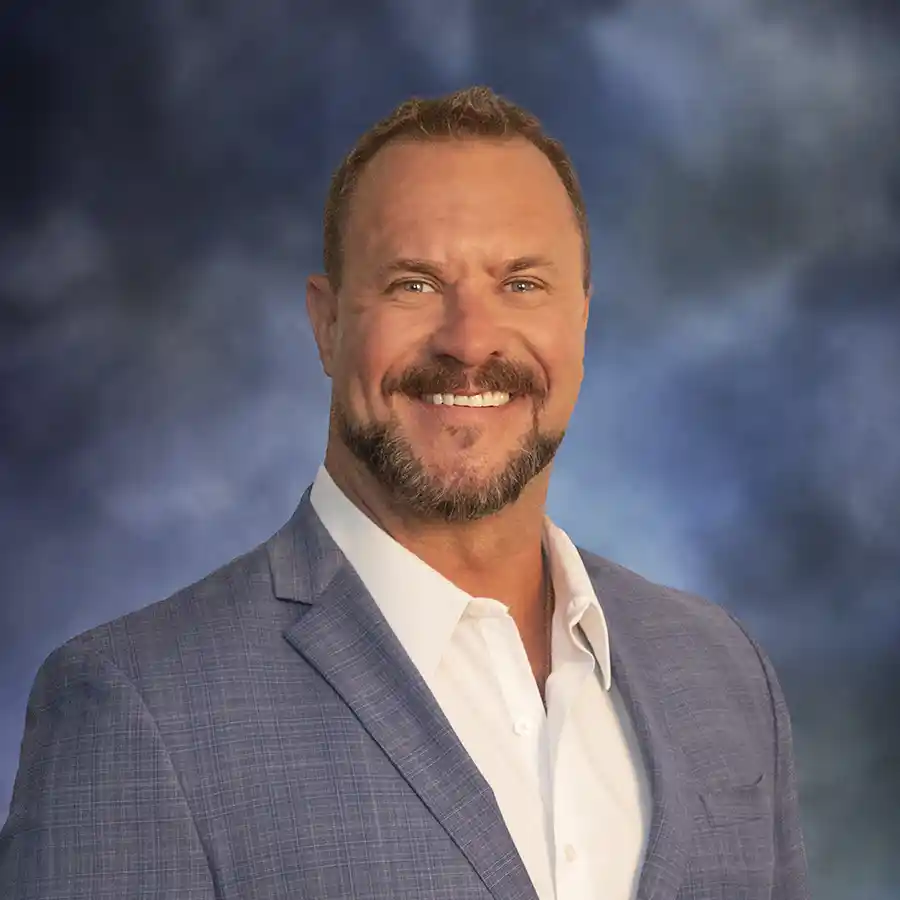
Michael Julian
Second Generation CEO
Changes in the security scene, technological advancements, and rising demand for protection services have all contributed to rapid development in the executive protection market during the past 50 years in the United States.
In the 1970s, the main goal of the executive protection sector was to keep politicians, celebrities, and business leaders safe. The industry was mainly unregulated, there were not many formal training programs or standards, and it relied on a small group of specialist agents who had experience in the military or police enforcement.
Larger companies emerged and professional training programs and industry standards were established in the 1980s and 1990s, marking the beginning of the industry's professionalization. The rise of the industry was also aided by technological developments including the creation of monitoring systems, electronic communication tools, and armored vehicles, which allowed agents to offer more sophisticated and efficient protection services.
With the rise of international travel and trade, as well as the growing fear of terrorism, the business saw new opportunities and problems in the 2000s. The industry responded by broadening its focus to encompass risk management, threat assessment, and crisis response as well as by creating new technologies and methods to deal with increasing dangers.
New innovations, shifting client preferences, and the aftermath of the SARS and COVID-19 pandemics have all played a role in the industry's rapid development in recent years. New technologies like drones and AI have been welcomed by the industry in an effort to improve its capabilities, and the sector's attention has widened to encompass cybersecurity, data privacy, and other developing threats.
A global, professionalized sector with a wide range of services and capacities has emerged from the limited, specialized field of executive protection in America. In order to ensure the safety and security of people and organizations in a constantly changing world, it is anticipated that the sector will continue to develop in response to fresh threats and difficulties.
Michael Julian is a second-generation security professional and private investigator with almost four decades of experience, beginning his career working for his father's company, founded in 1967. Michael is the current C.E.O. of National Business Investigations, Inc., and its security division, M.P.S. Security & Protection.
Michael is also the Creator of the A.L.I.V.E. Active Shooter Survival Training Program and Author of 10 Minutes to Live: Surviving an Active Shooter Using A.L.I.V.E. He can be reached at MJulian@Security-MPS.com.
Michael D. Julian is President of MPS Security & Protection and a 30-plus-year veteran of the security and investigations industry. He served as President of the California Association of Licensed Investigators (CALI) from 2005 to 2015 and has led executive protection, residential security, and corporate investigations engagements for Fortune 500 principals, high-net-worth families, and public figures across the United States. Connect with Michael on LinkedIn.

Since 1967, MPS Security & Protection has delivered professional protective security grounded in respect, coordination, and discretion. We’re a 3rd-generation firm with longstanding client relationships and worldwide connections.
“No two clients are the same, and neither are their needs. We protect what matters most, so you don't have to.” — Our protection is tailored to your risks, lifestyle, and operations.


Experts in Executive Protection and Uniformed Security.
Second Generation CEO
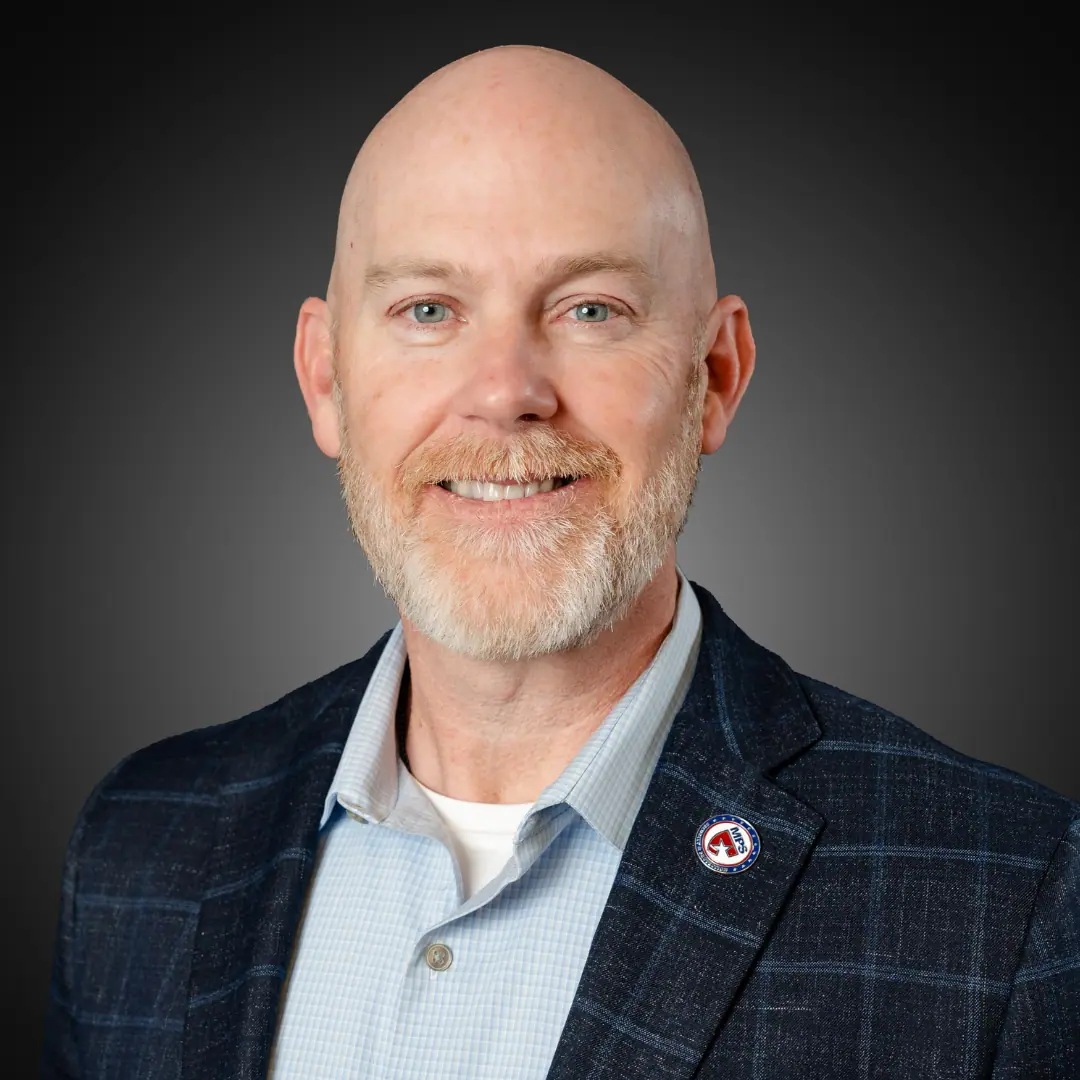
President
Executive Protection Manager
Uniform Security Manager
RST teams safeguard homes and families with 24/7 protection and low-profile coverage.
We’re always looking for professional Executive Protection Agents and Uniformed Security Officers. Apply through our portal.
Let’s discuss your needs and design a protection plan that fits your risk profile.
Executive protection quotes vary widely for reasons that are rarely explained. Here are the six factors that actually drive the cost of a protection p… By: Michael D. Julian University presidents, provosts, and trustees are public figures on an open campus. Learn how executive protection teams plan coverage for the fall se… By: Michael D. Julian Campaign events put candidates in unscreened crowds on short notice. Learn how executive protection teams plan candidate security, rallies, town halls… By: Michael D. Julian Conferences and trade shows put executives in crowded, open, publicly scheduled venues. Learn how executive protection works at business events, from … By: Michael D. Julian Some terminations carry real risk. Learn how executive protection and security standby support high-risk employee separations, layoffs, and restructur… By: Michael D. Julian A hurricane is a security event, not just a weather event. Learn how executive protection teams plan evacuations, secure residences, and keep principa… By: Michael D. Julian Public events magnify executive risk. A 30-year EP veteran explains what corporate boards should require from executive protection at high-profile eve… By: Michael D. Julian Film and TV productions expose talent to fans, paparazzi, and fixed schedules in public places. Learn how executive protection teams secure sets and l… By: Michael D. JulianRecent MPS Security Insights

What Does Executive Protection Cost, and What Actually Drives the Price?
Executive Protection for University Presidents and Campus Leadership: Security Planning for the Fall Semester
Executive Protection for Political Candidates and Campaign Events: Security Planning for the 2026 Campaign Season
Executive Protection for Business Conferences and Trade Shows: Security for High-Exposure Events
Executive Protection for High-Risk Employee Terminations: How to Plan Security for a Difficult Departure
Executive Protection During Hurricane Season: How Security Teams Protect Principals and Families When a Storm Threatens
Executive Protection at High-Profile Public Events: What Corporate Boards Need to Know
Executive Protection on Film and Television Productions: How Studios Protect Talent on Location