
Michael Julian
Second Generation CEO
Holiday retail security is temporary uniformed or plainclothes coverage added to a store, shopping center, or distribution site for the period between late October and early January, when foot traffic, inventory value, and staff turnover all peak at the same time. The contracts that cover that period are written in September and early October, not in November.
That timing is the single most expensive thing retailers get wrong. By the first week of November, the qualified officer pool in Los Angeles, Orange, and Riverside Counties is largely committed, and what remains is whoever is left.
Two trends are moving in opposite directions, and the gap between them is the problem.
Theft and the violence attached to it are up. The National Retail Federation reported that retailers saw an 18 percent increase in the average number of shoplifting incidents in 2024 compared with 2023, and a 17 percent increase in threats or acts of violence during theft events over the same period (NRF, The Impact of Retail Theft and Violence, 2025). The same research found that 67 percent of retailers reported involvement by a transnational organized retail crime group in thefts against their company during the prior year.
Meanwhile, store staffing is thinner. NRF's seasonal hiring forecast put expected holiday hires at 265,000 to 365,000 for 2025, down from 442,000 the year before and possibly the lowest level in more than 15 years (NRF, Winter Holiday FAQs). Fewer employees on the floor means fewer eyes, longer response times, and more pressure on whoever is closing.
More incidents, fewer people. That is the whole case for contract coverage.
Start from the hours where losses and confrontations concentrate, not from a flat headcount.
• Opening and closing. Most confrontations that become violent happen at transitions, when the building is quiet and staff are handling cash or locking doors alone.
• Peak weekend blocks. Black Friday weekend and the two Saturdays before Christmas carry the crowd density. Crowds are a crime environment and a crowd-management problem at once.
• Receiving and back-of-house. Seasonal shrink is not all front-door. Dock hours deserve coverage where inventory value is high.
• Parking structures. In Southern California this is frequently where the actual assault risk sits, and it is usually the last area anyone posts.
A common mistake is to buy a single 8-hour day post. A 6-hour split covering open and close often prevents more than 8 continuous hours in the middle of the day.
Uniformed officers deter opportunistic theft, give employees someone to escalate to, and shape crowd behavior at doors and queues. That deterrence is the point, and it only works if the post is visible and consistent. For most retail sites, a uniformed post is the baseline, and understanding what a visible officer presence actually changes is the right starting frame before layering anything else on top.
Plainclothes coverage addresses a different problem: organized groups who case a store, avoid uniformed posts, and work in teams. It is worth adding only where the loss history supports it and where there is a clear, written policy on observation and non-intervention.
This is the question every retail client asks, and the honest answer is that it depends on the site, the loss profile, and the client's own risk tolerance. Armed coverage raises the liability profile, the cost, and the qualification requirements for the officer. It is appropriate for high-value inventory and cash-handling environments, and it is often the wrong tool for a mall corridor. We walk clients through the armed versus unarmed decision before a contract is written rather than after an incident.
Confirm that the provider holds a current Private Patrol Operator license with the California Bureau of Security and Investigative Services, that officers hold valid guard registrations, and that anyone armed holds a current firearms permit. Ask for certificates of insurance naming your entity. Ask how post orders are written, who supervises overnight, and what happens when an officer calls out on December 23. The answer to that last question tells you more about a firm than its rate card does.
When should a retailer book holiday security coverage? September and early October. Contracts signed in November are filled from whatever capacity is left, which usually means less experienced officers and less schedule flexibility.
Does a security officer have authority to detain a shoplifter? In California, a private security officer's authority derives from citizen's arrest provisions and the merchant's privilege, and it is tightly constrained. Most professionally run retail programs direct officers to observe, document, and report rather than to pursue or physically detain, and the client's written policy should say so explicitly.
Is one officer enough for a single-store location? Often yes, if the hours are chosen well. A single post covering opening, closing, and peak weekend blocks usually outperforms the same budget spread thinly across a full day.
How do seasonal employees fit into the security plan? They are the most common gap. Temporary staff rarely receive the same safety orientation as permanent employees, so give them a short briefing that covers who to call, what not to do during a theft, and the closing procedure.
What does holiday retail security typically cost? Rates vary by county, armed status, shift length, and how far in advance the contract is placed. Late bookings and short shifts both carry premiums, which is another argument for scoping the work now.
If your Q4 plan is still a line item rather than a contract, this is the month to fix it. Contact MPS Security and Protection to scope coverage for your locations, your peak hours, and your loss history before the November calendar fills.
Michael D. Julian brings more than 30 years of security and investigations experience to protective operations. He served as President of the California Association of Licensed Investigators from 2005 to 2015 and leads MPS Security and Protection's executive protection and security services divisions. Connect with him on LinkedIn.

Since 1967, MPS Security & Protection has delivered professional protective security grounded in respect, coordination, and discretion. We’re a 3rd-generation firm with longstanding client relationships and worldwide connections.
“No two clients are the same, and neither are their needs. We protect what matters most, so you don't have to.” — Our protection is tailored to your risks, lifestyle, and operations.


Experts in Executive Protection and Uniformed Security.
Second Generation CEO

President
Executive Protection Manager

Uniform Security Manager
RST teams safeguard homes and families with 24/7 protection and low-profile coverage.
We’re always looking for professional Executive Protection Agents and Uniformed Security Officers. Apply through our portal.
Let’s discuss your needs and design a protection plan that fits your risk profile.
Retail theft and violence are both rising while seasonal hiring falls. Here is how Southern California retailers should scope holiday security coverag… By: Michael D. Julian A California workplace violence restraining order is a court order an employer can seek to protect employees from a credible threat. Here is what it c… By: Michael D. Julian California employers must maintain a written workplace violence prevention plan, a violent incident log, and annual training under Labor Code 6401.9. … By: Michael D. Julian Executive protection quotes vary widely for reasons that are rarely explained. Here are the six factors that actually drive the cost of a protection p… By: Michael D. Julian University presidents, provosts, and trustees are public figures on an open campus. Learn how executive protection teams plan coverage for the fall se… By: Michael D. Julian Campaign events put candidates in unscreened crowds on short notice. Learn how executive protection teams plan candidate security, rallies, town halls… By: Michael D. Julian Conferences and trade shows put executives in crowded, open, publicly scheduled venues. Learn how executive protection works at business events, from … By: Michael D. Julian Some terminations carry real risk. Learn how executive protection and security standby support high-risk employee separations, layoffs, and restructur… By: Michael D. JulianRecent MPS Security Insights
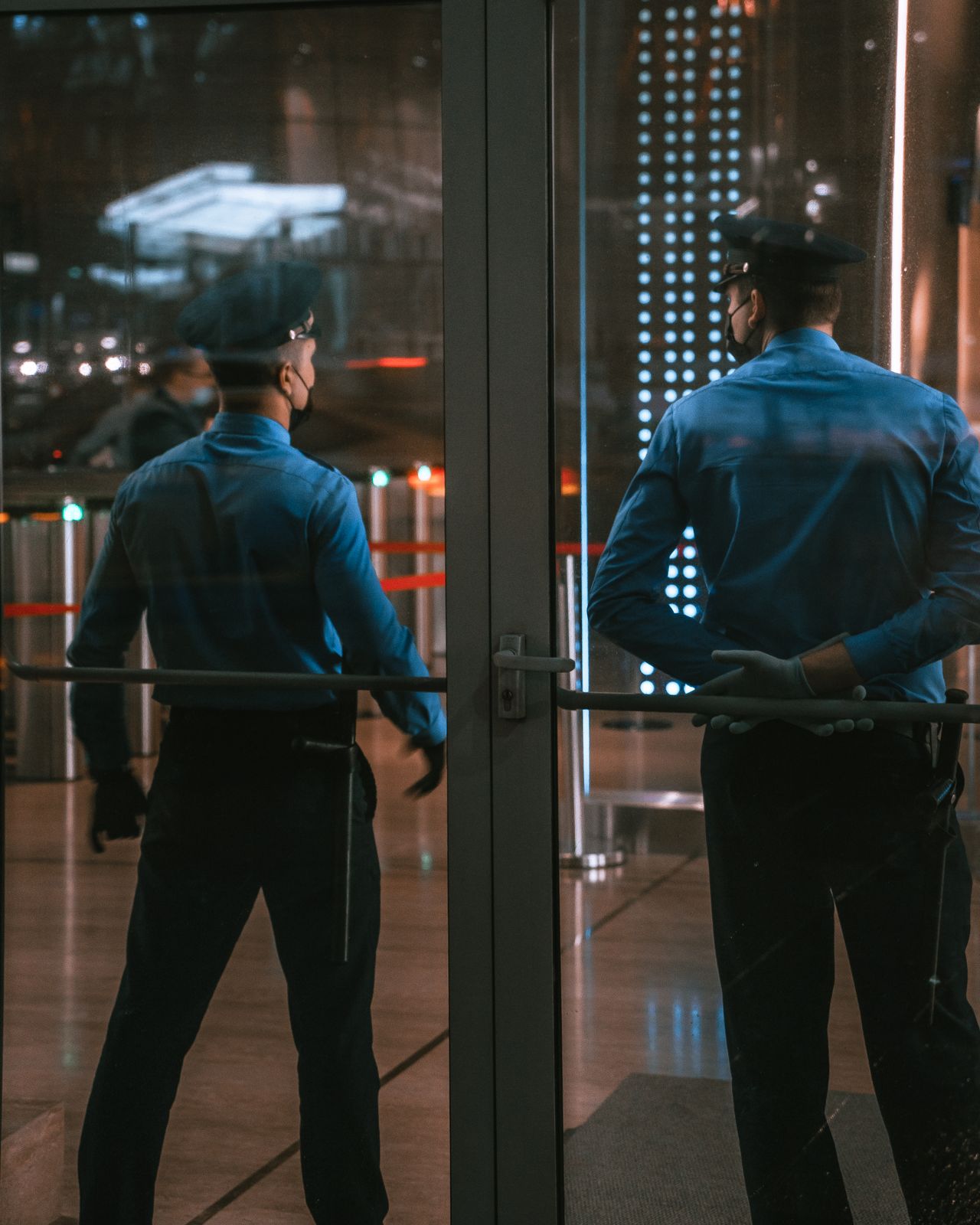
Holiday Retail Security in Southern California: Staffing the Q4 Surge Before Black Friday
Workplace Violence Restraining Orders in California: What They Do, and Where Security Fits
California SB 553: What a Workplace Violence Prevention Plan Requires, and Where Security Fits
What Does Executive Protection Cost, and What Actually Drives the Price?
Executive Protection for University Presidents and Campus Leadership: Security Planning for the Fall Semester
Executive Protection for Political Candidates and Campaign Events: Security Planning for the 2026 Campaign Season
Executive Protection for Business Conferences and Trade Shows: Security for High-Exposure Events
Executive Protection for High-Risk Employee Terminations: How to Plan Security for a Difficult Departure