
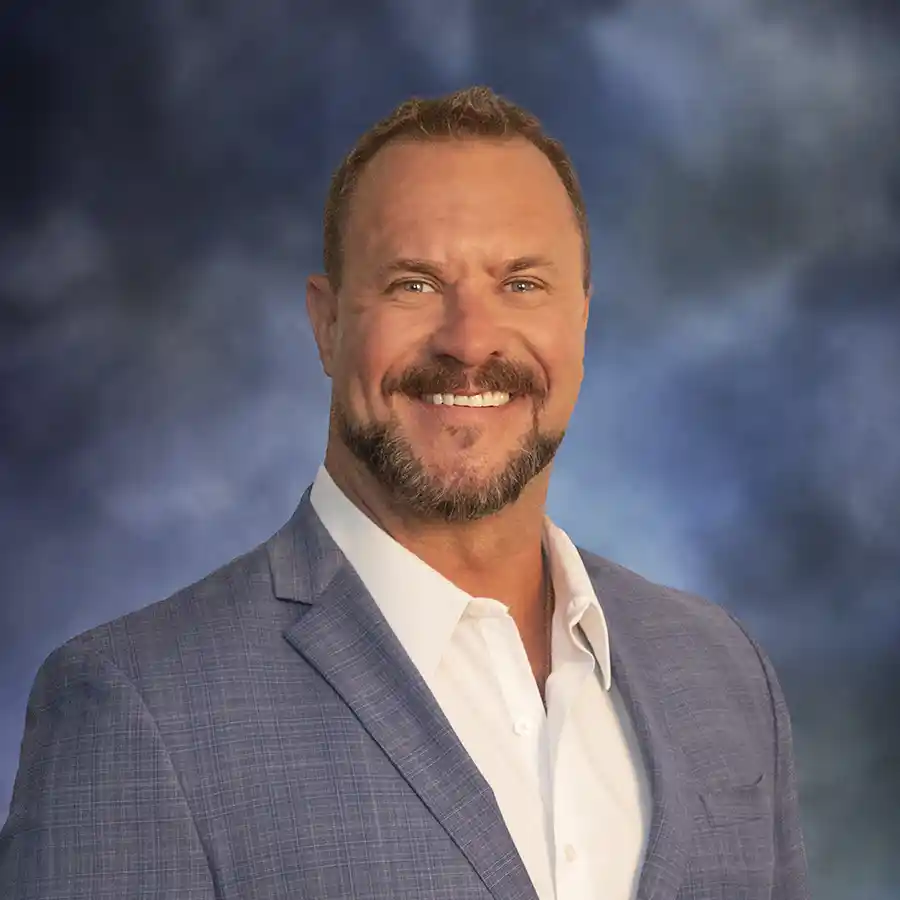
Michael Julian
Second Generation CEO
Many organizations assume that hiring security personnel automatically reduces risk. Uniforms are visible. Posts are covered. Access points are staffed. On the surface, it appears that protection is in place.
However, the effectiveness of security depends not only on presence, but on training. Undertrained security personnel can create hidden liability that organizations do not recognize until something goes wrong.
A uniformed guard can create a perception of safety. But perception does not equal capability. When personnel lack proper training in threat recognition, de-escalation, emergency response, and coordinated communication, their presence may provide a false sense of security.
False confidence is dangerous because it discourages leadership from investing in deeper preparedness. If decision makers believe coverage alone is sufficient, vulnerabilities remain unaddressed.
In high-risk environments, security decisions are scrutinized after incidents occur. Courts, insurers, and regulators often examine whether personnel were properly trained to handle foreseeable threats.
Undertrained security personnel may:
Respond inconsistently to escalating behavior
Use force inappropriately
Fail to document incidents accurately
Mismanage crowd control situations
Overlook early warning indicators
Each of these failures increases legal and financial exposure for the organization.
Incident documentation is as important as incident response. If a situation leads to litigation, documentation becomes critical evidence.
Undertrained personnel may fail to:
Record timelines accurately
Capture witness statements properly
Preserve evidence
Communicate with management clearly
Incomplete or inaccurate documentation weakens an organization’s ability to defend its decisions.
Many security incidents begin as minor behavioral issues. Without proper training in communication and de-escalation, these situations can escalate unnecessarily.
Effective security personnel are trained to:
Recognize behavioral warning signs
Communicate calmly under pressure
Defuse tension without aggression
Coordinate responses with leadership
Maintain professionalism in public settings
Training turns potential confrontations into controlled outcomes.
Facilities such as corporate campuses, healthcare centers, retail venues, event arenas, and educational institutions carry elevated risk due to public access and population density.
In these environments, undertrained personnel create amplified exposure. A single poor decision can affect dozens or hundreds of individuals at once.
Professional standards must rise in proportion to risk.
Professional security providers prioritize ongoing training, scenario-based exercises, coordination drills, and policy reinforcement. This ensures that personnel are prepared not just to stand post, but to act decisively and professionally under pressure.
Training strengthens:
Threat recognition
Crisis response
Crowd management
Access control enforcement
Communication with emergency services
Well-trained personnel reduce liability, protect reputation, and preserve operational stability.
Security presence alone does not guarantee protection. Undertrained security personnel can introduce hidden liability that exposes organizations to legal, financial, and reputational risk.
Professional training transforms security from a visible expense into a strategic safeguard.
Organizations that demand higher training standards protect not only their facilities, but their people and their future.
MPS Security and Protection provides highly trained security professionals equipped to manage risk, respond effectively, and support operational continuity with professionalism and precision. Contact us today for a free consultation.
Michael D. Julian is President of MPS Security & Protection and a 30-plus-year veteran of the security and investigations industry. He served as President of the California Association of Licensed Investigators (CALI) from 2005 to 2015 and has led executive protection, residential security, and corporate investigations engagements for Fortune 500 principals, high-net-worth families, and public figures across the United States. Connect with Michael on LinkedIn.

Since 1967, MPS Security & Protection has delivered professional protective security grounded in respect, coordination, and discretion. We’re a 3rd-generation firm with longstanding client relationships and worldwide connections.
“No two clients are the same, and neither are their needs. We protect what matters most, so you don't have to.” — Our protection is tailored to your risks, lifestyle, and operations.


Experts in Executive Protection and Uniformed Security.
Second Generation CEO

President
Executive Protection Manager
Uniform Security Manager
RST teams safeguard homes and families with 24/7 protection and low-profile coverage.
We’re always looking for professional Executive Protection Agents and Uniformed Security Officers. Apply through our portal.
Let’s discuss your needs and design a protection plan that fits your risk profile.
Executive protection quotes vary widely for reasons that are rarely explained. Here are the six factors that actually drive the cost of a protection p… By: Michael D. Julian University presidents, provosts, and trustees are public figures on an open campus. Learn how executive protection teams plan coverage for the fall se… By: Michael D. Julian Campaign events put candidates in unscreened crowds on short notice. Learn how executive protection teams plan candidate security, rallies, town halls… By: Michael D. Julian Conferences and trade shows put executives in crowded, open, publicly scheduled venues. Learn how executive protection works at business events, from … By: Michael D. Julian Some terminations carry real risk. Learn how executive protection and security standby support high-risk employee separations, layoffs, and restructur… By: Michael D. Julian A hurricane is a security event, not just a weather event. Learn how executive protection teams plan evacuations, secure residences, and keep principa… By: Michael D. Julian Public events magnify executive risk. A 30-year EP veteran explains what corporate boards should require from executive protection at high-profile eve… By: Michael D. Julian Film and TV productions expose talent to fans, paparazzi, and fixed schedules in public places. Learn how executive protection teams secure sets and l… By: Michael D. JulianRecent MPS Security Insights

What Does Executive Protection Cost, and What Actually Drives the Price?
Executive Protection for University Presidents and Campus Leadership: Security Planning for the Fall Semester
Executive Protection for Political Candidates and Campaign Events: Security Planning for the 2026 Campaign Season
Executive Protection for Business Conferences and Trade Shows: Security for High-Exposure Events
Executive Protection for High-Risk Employee Terminations: How to Plan Security for a Difficult Departure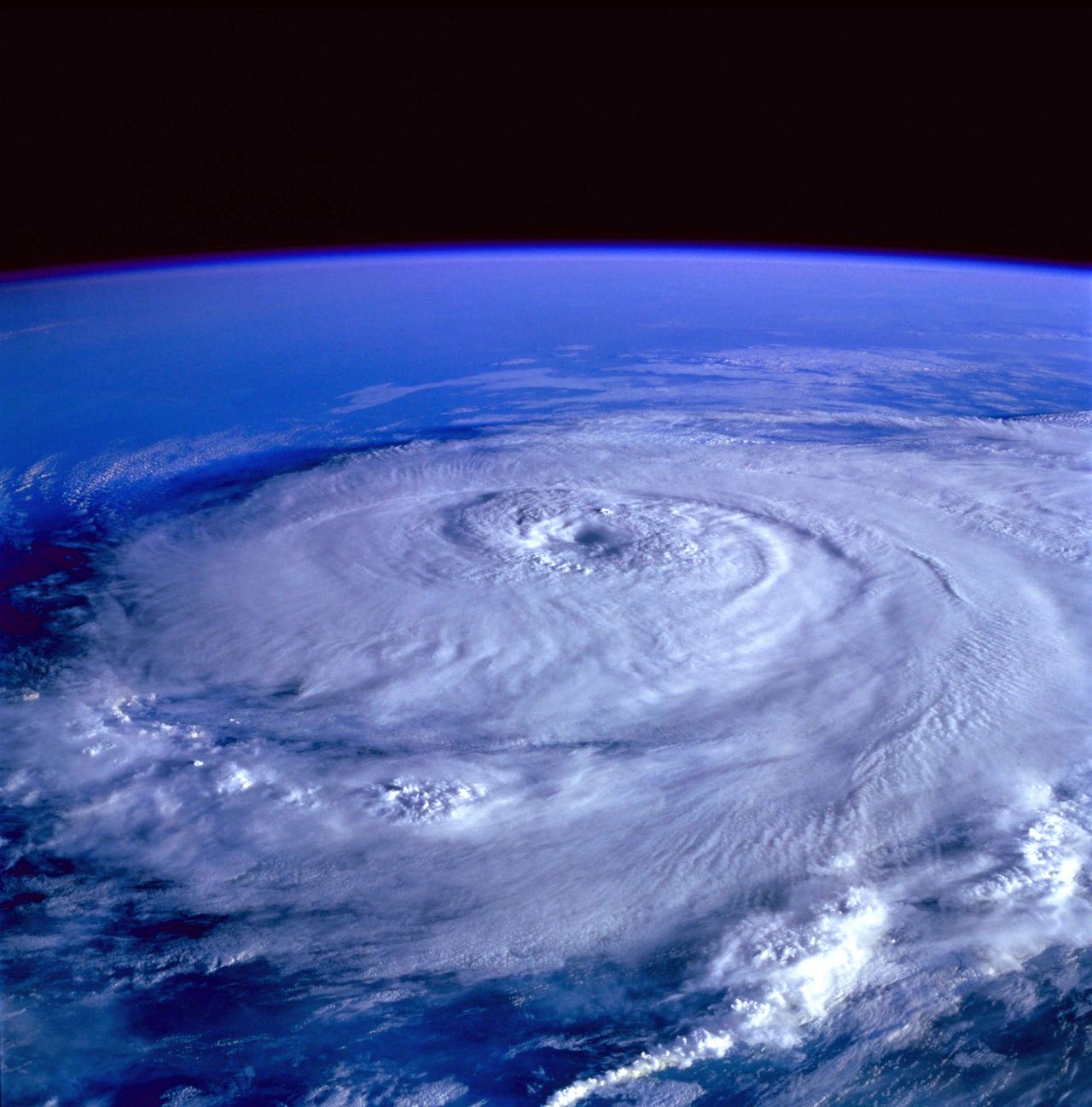
Executive Protection During Hurricane Season: How Security Teams Protect Principals and Families When a Storm Threatens
Executive Protection at High-Profile Public Events: What Corporate Boards Need to Know
Executive Protection on Film and Television Productions: How Studios Protect Talent on Location